
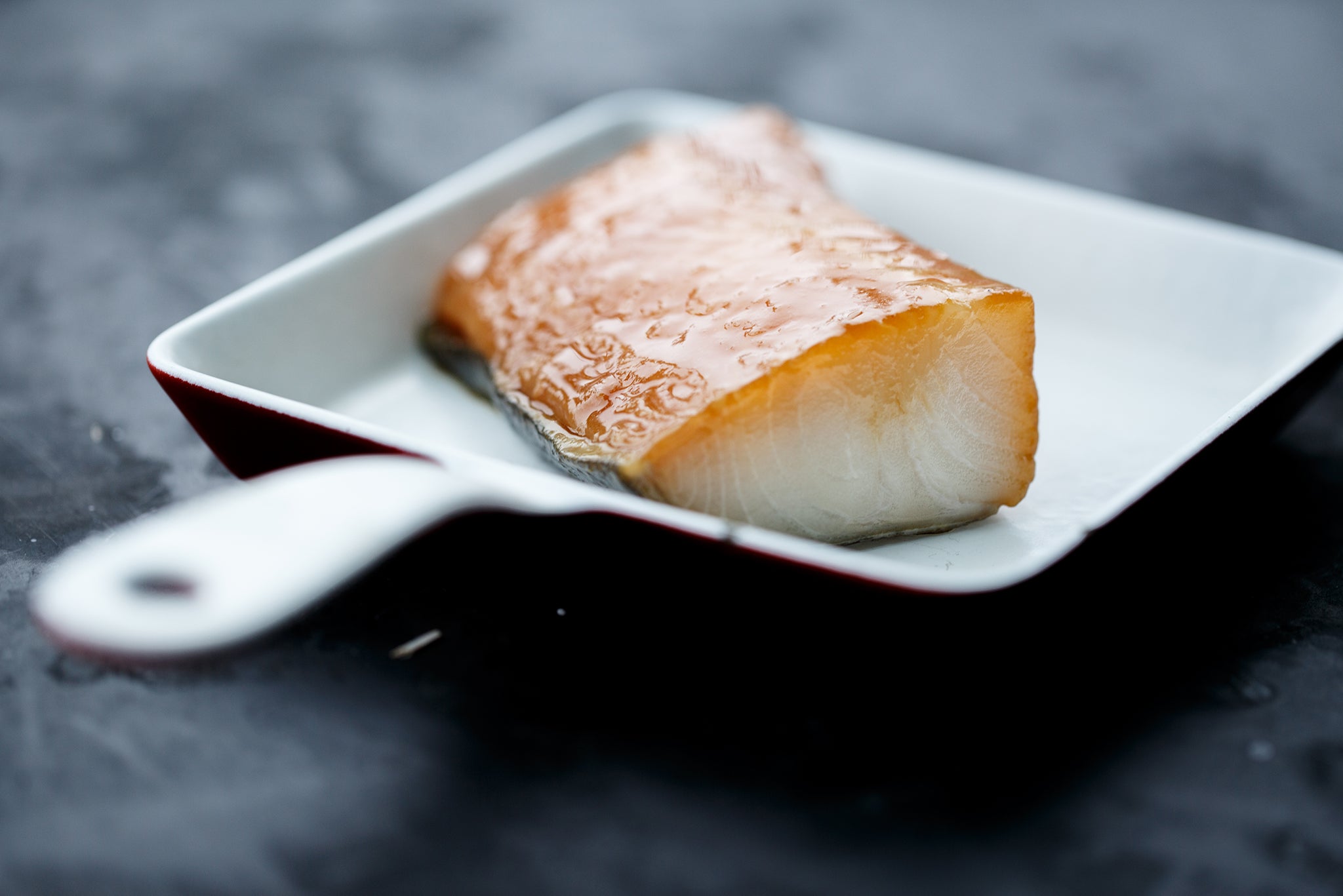
Frozen Sablefish, Fresh Quality
A marketing archive essay on why properly frozen fish can be the better quality choice, especially for rich, delicate sablefish.
2023-07 · 2 min read
"Fresh" has a powerful reputation in seafood, but it is not always the quality standard people think it is.
A fillet in a retail case may have traveled for days, changed hands several times, and already been frozen and thawed before it is sold as fresh. A fish that is handled well and frozen quickly near the source can arrive in better condition than a never-frozen fillet that spent too long in the conventional supply chain.
Why Freezing Matters
Flash freezing protects quality by moving the fish through the freezing zone quickly, keeping ice crystals small and reducing damage to the muscle structure.
That matters for texture, flavor, and shelf life. It also matters for access. Freezing makes seasonally caught fish available beyond the short window when the boat lands it, which helps cooks far from the coast eat better seafood without depending on rushed air freight.
The Food Waste Problem
Seafood is highly perishable, and the fresh case can be unforgiving. The original draft behind this post pointed to the wider food waste problem: in 2019, the United Nations reported that a meaningful share of food available to consumers was still being thrown away.
Frozen seafood is not a cure-all, but it is one practical way to reduce waste. It lets small producers sell into a longer window, lets buyers manage inventory more carefully, and lets home cooks thaw only what they plan to use.
Why Sablefish Is a Good Example
Sablefish, also called black cod, is rich, mild, and silky. It is one of the best arguments for respecting the cold chain because its quality is so tied to fat, texture, and careful handling.
When sablefish is frozen well, it keeps the buttery texture that makes the fish special. It can be baked, pan seared, smoked, grilled, or simmered gently in a sauce.
The original kitchen note suggested balancing sablefish with vinegar, citrus, soy, ginger, garlic, miso, or mushrooms. That instinct is right. Sablefish is rich enough to welcome acid and umami.
How to Thaw It
The best thaw is slow and cold: move the sealed package to the refrigerator the night before cooking.
If dinner is closer than that, keep the fish sealed and run cold water over the package until thawed. Depending on thickness, that usually takes 20 to 30 minutes. Do not use warm water, and do not leave fish on the counter.
Better Than a Label
The real quality question is not fresh versus frozen. It is how quickly the fish was processed, how carefully it was frozen, how steadily it stayed frozen, and whether the producer can tell you where it came from.
For inland cooks, that is good news. You do not need to live on the dock to eat excellent fish. You need a cold chain you can trust and a supplier who treats frozen seafood as a quality tool, not a compromise.
Further reading from the original archive: UN food waste summary and Ecotrust's Fresh Look at Frozen Fish.