
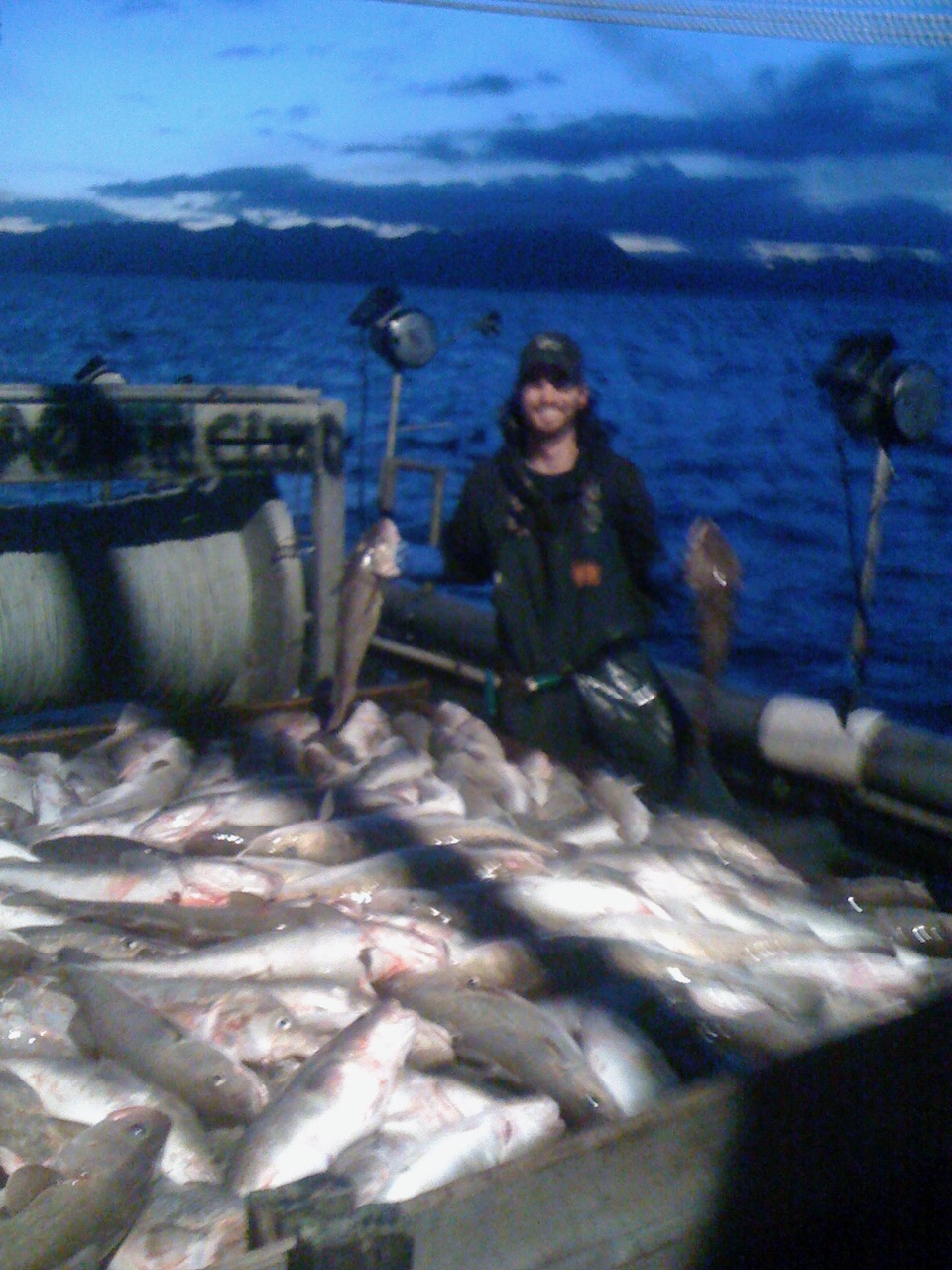
Recipes from
the water.
Simple, honest preparations built around wild Alaska seafood. The fish leads. Everything else gets out of the way.
If you have properly handled wild seafood, you need fewer ingredients and less time than most recipes suggest. The job of the cook is to not get in the way.
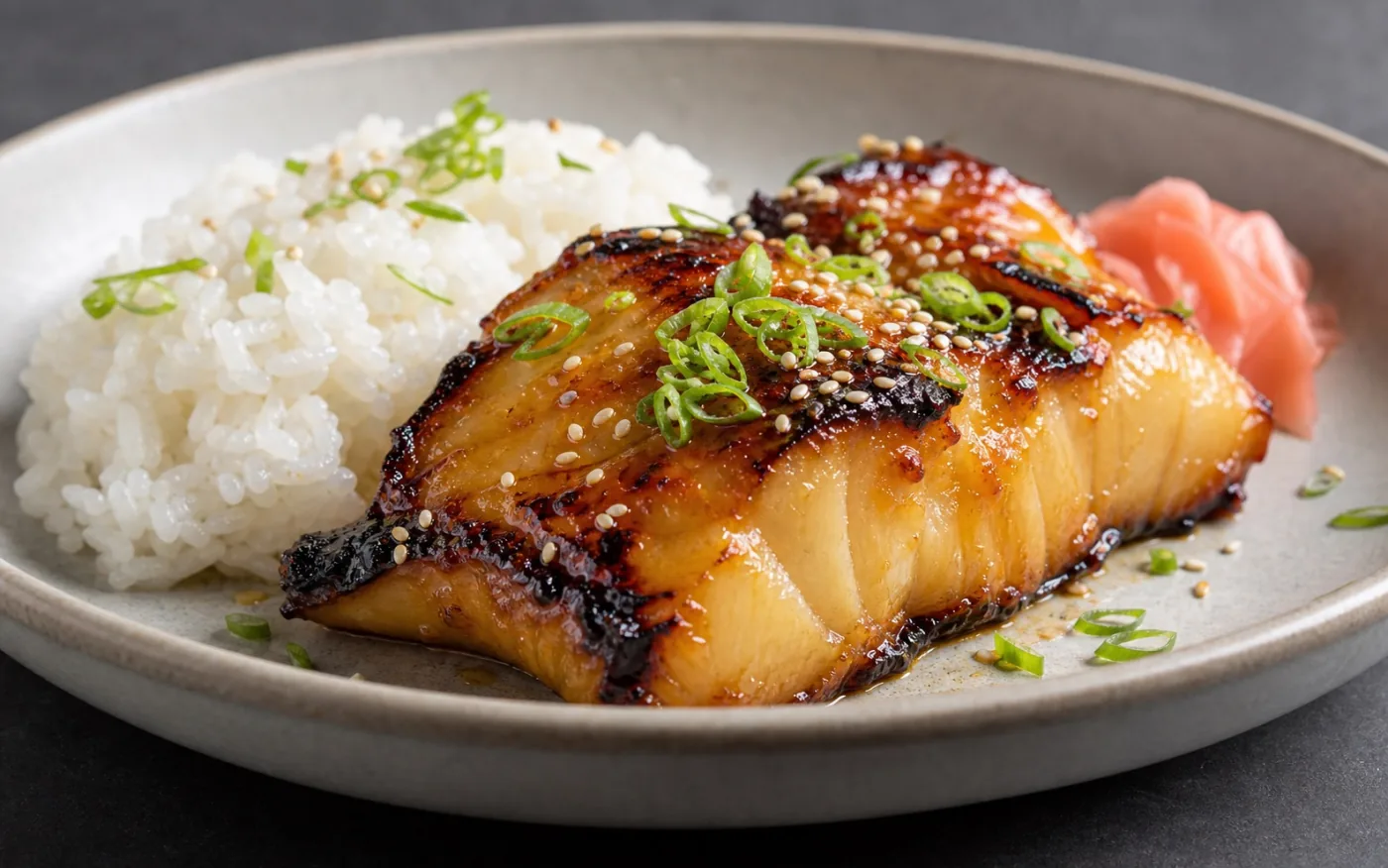
Miso-Glazed Black Cod
Rich, buttery Alaska sablefish marinated in sweet white miso for days, then broiled until caramelized. Worth every minute of the wait.
Plating, product,
and texture cues.
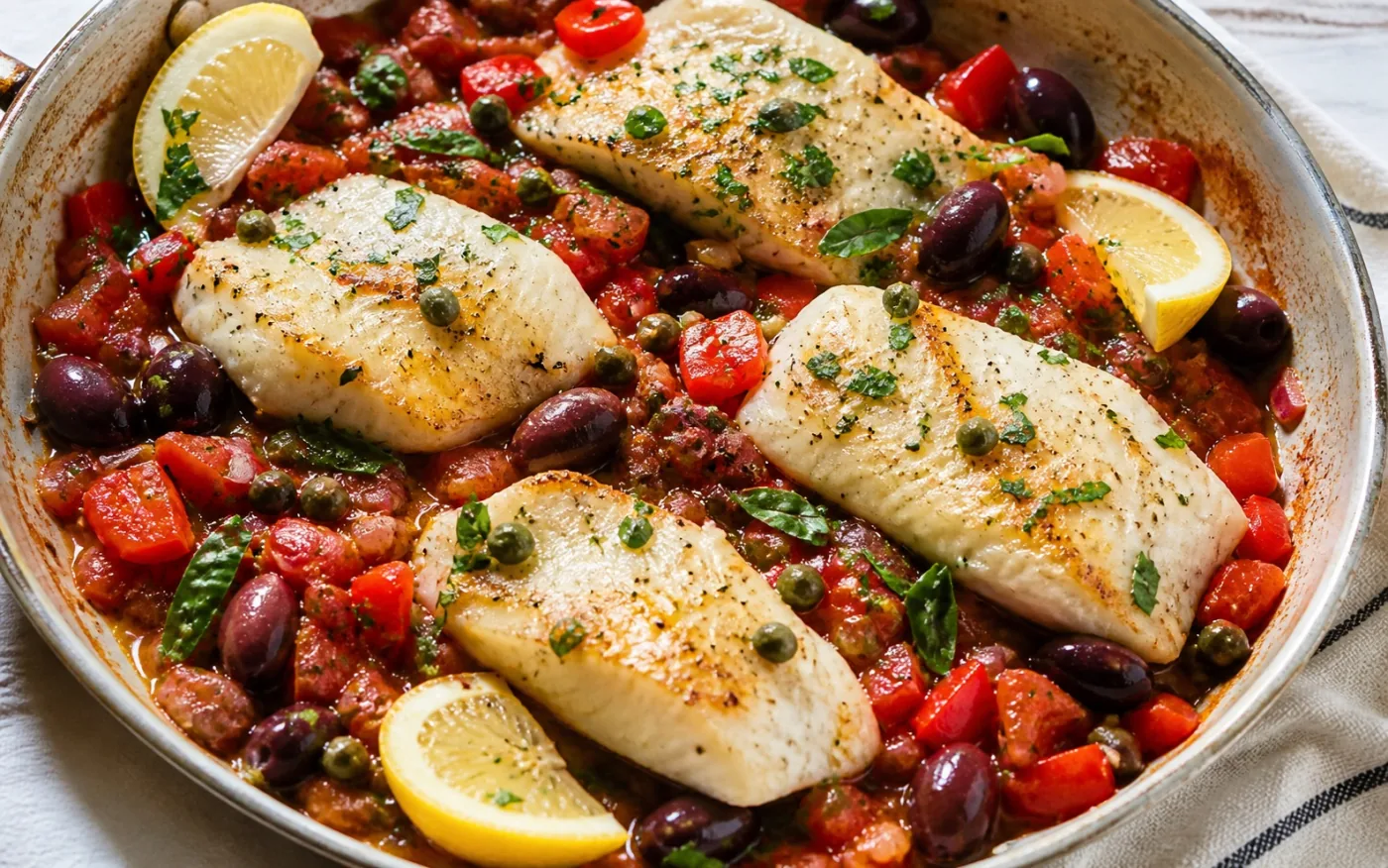
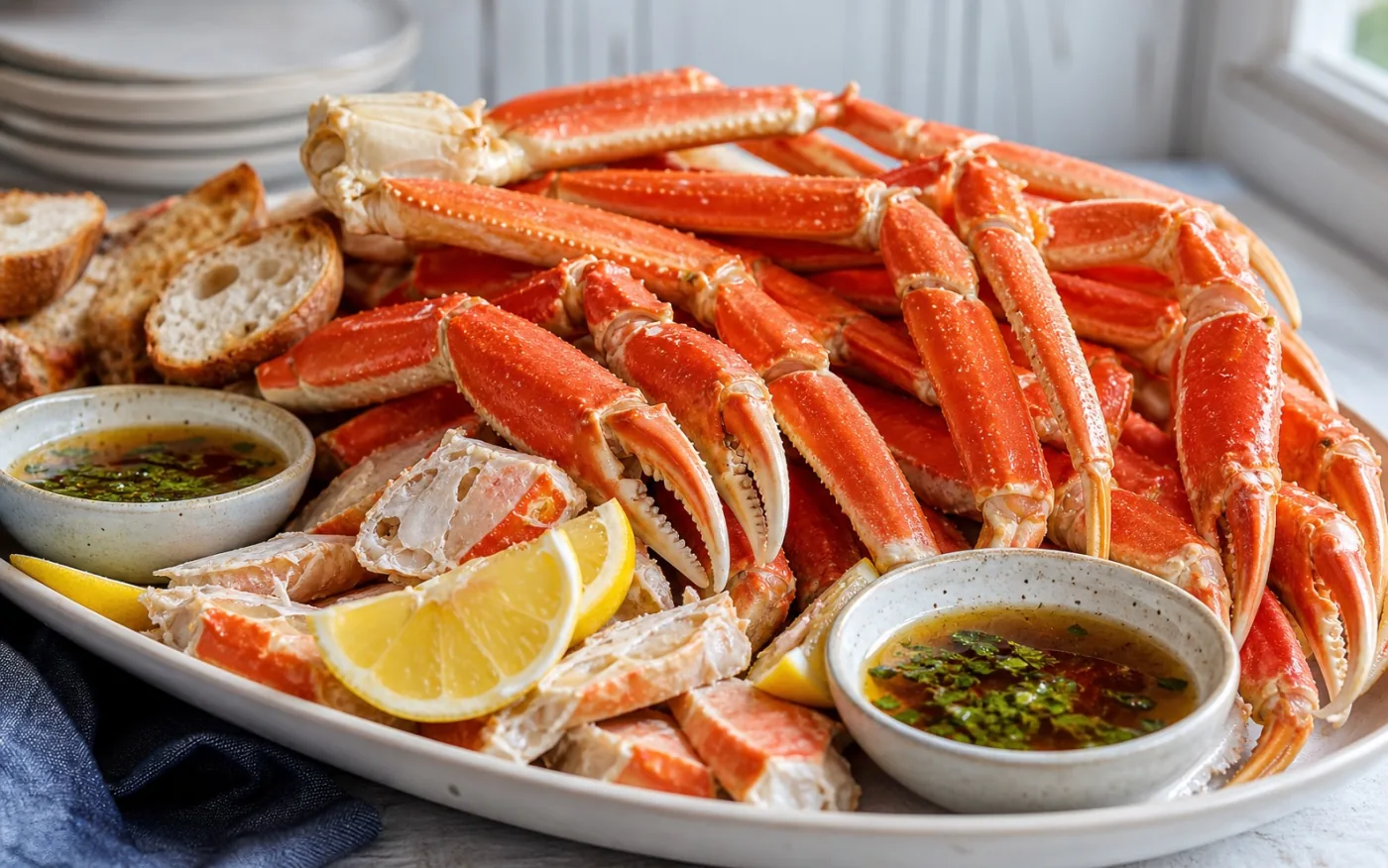
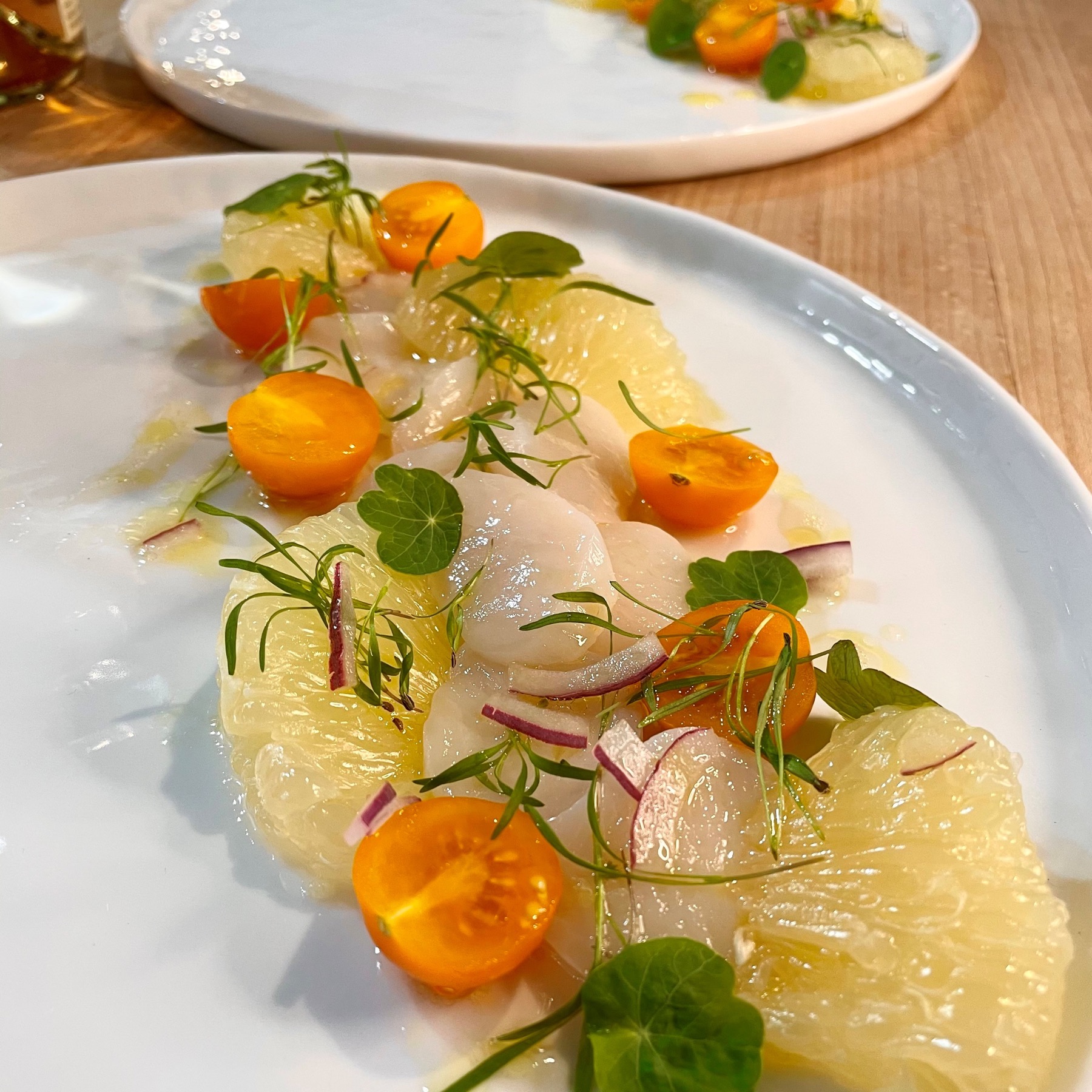
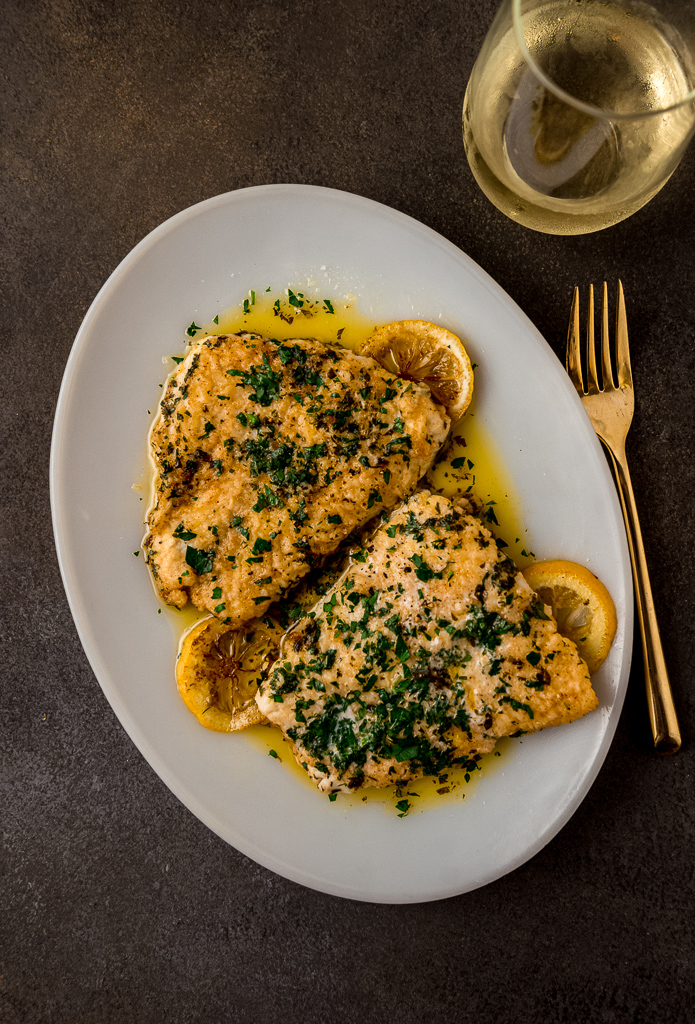
The useful frames in the archive show what the seafood should look like before and after it hits the plate: clean cuts, visible texture, and simple preparations.
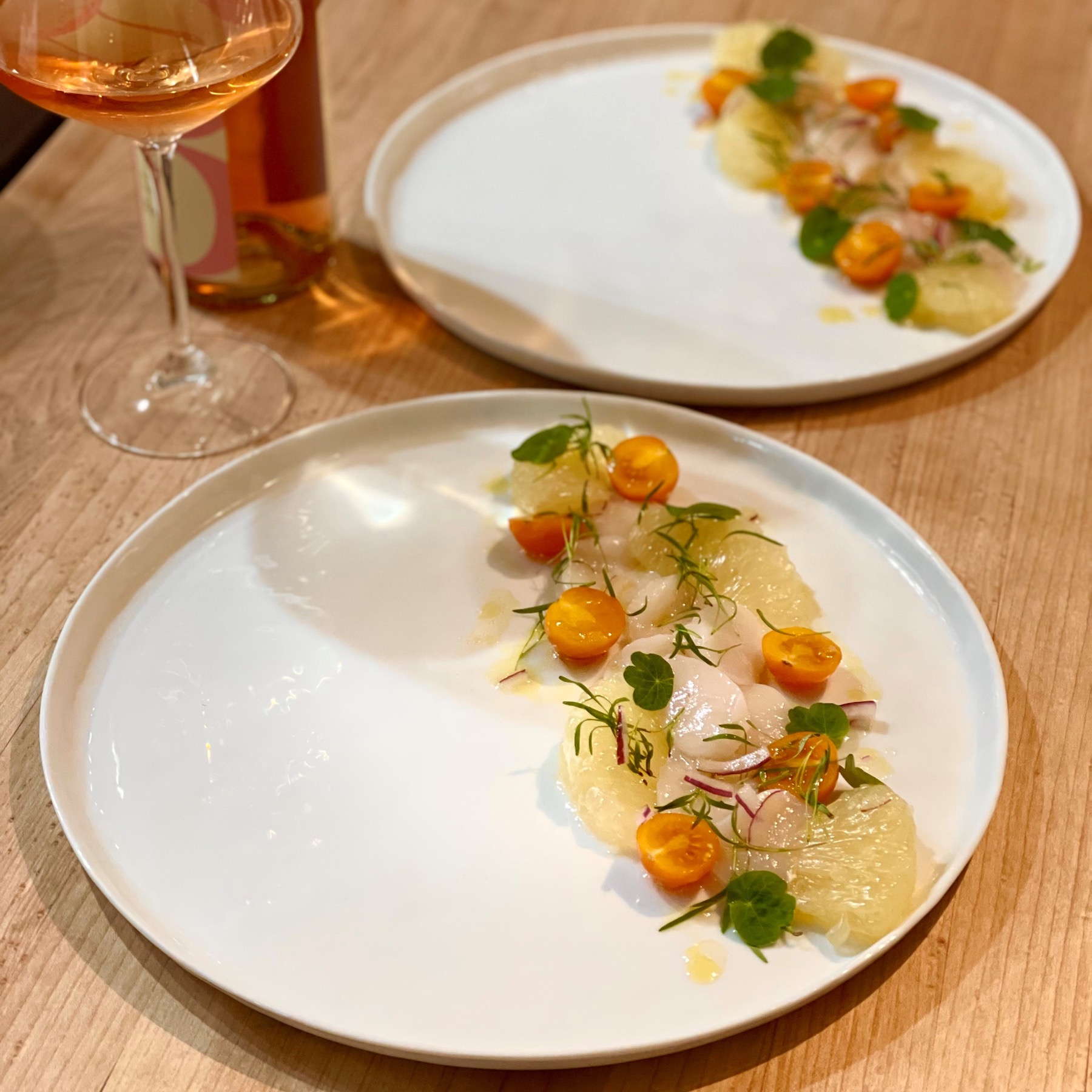
Citrus, herbs, and clean cold-water texture.
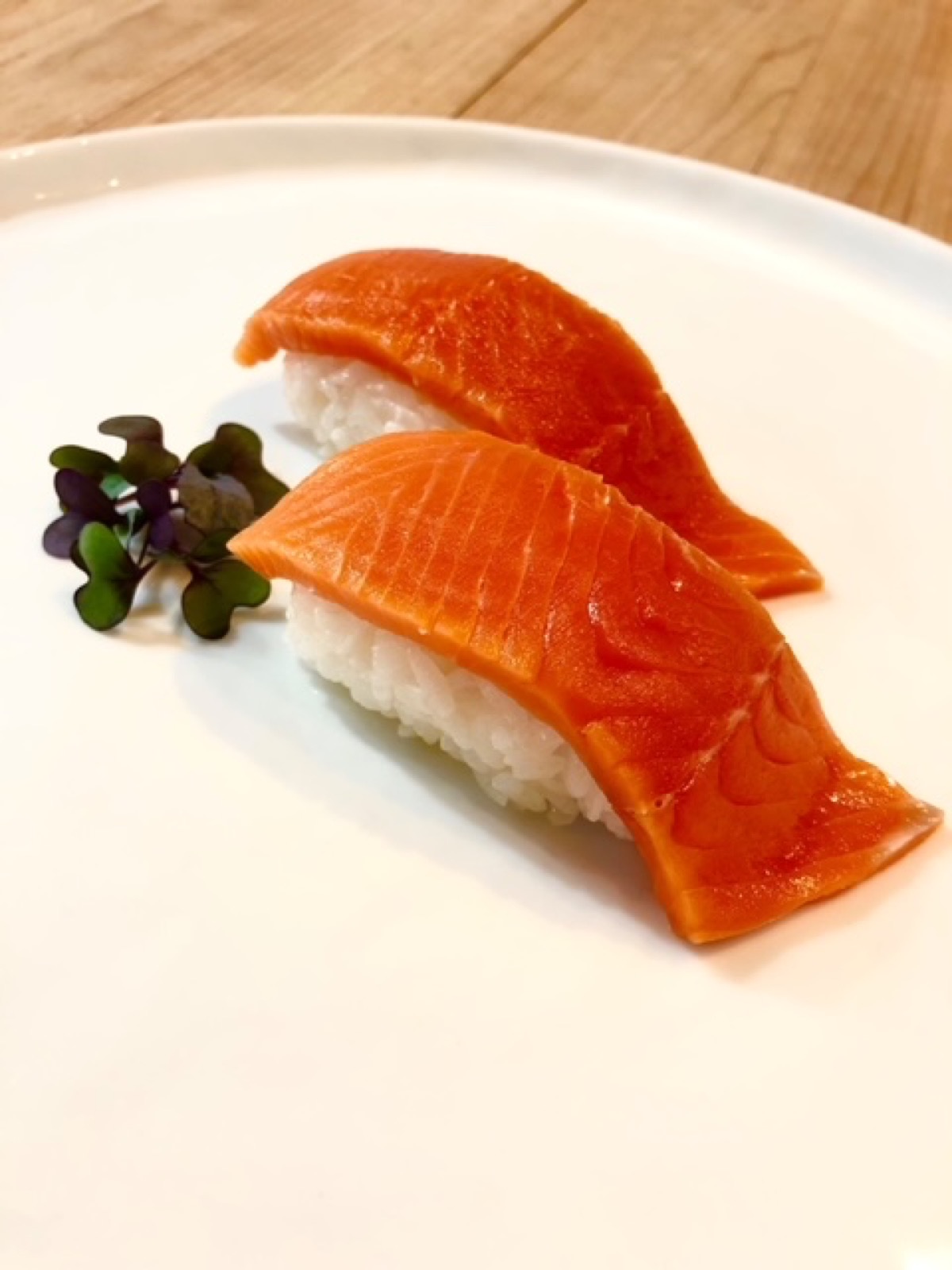
A plated sushi frame from the Drive archive.
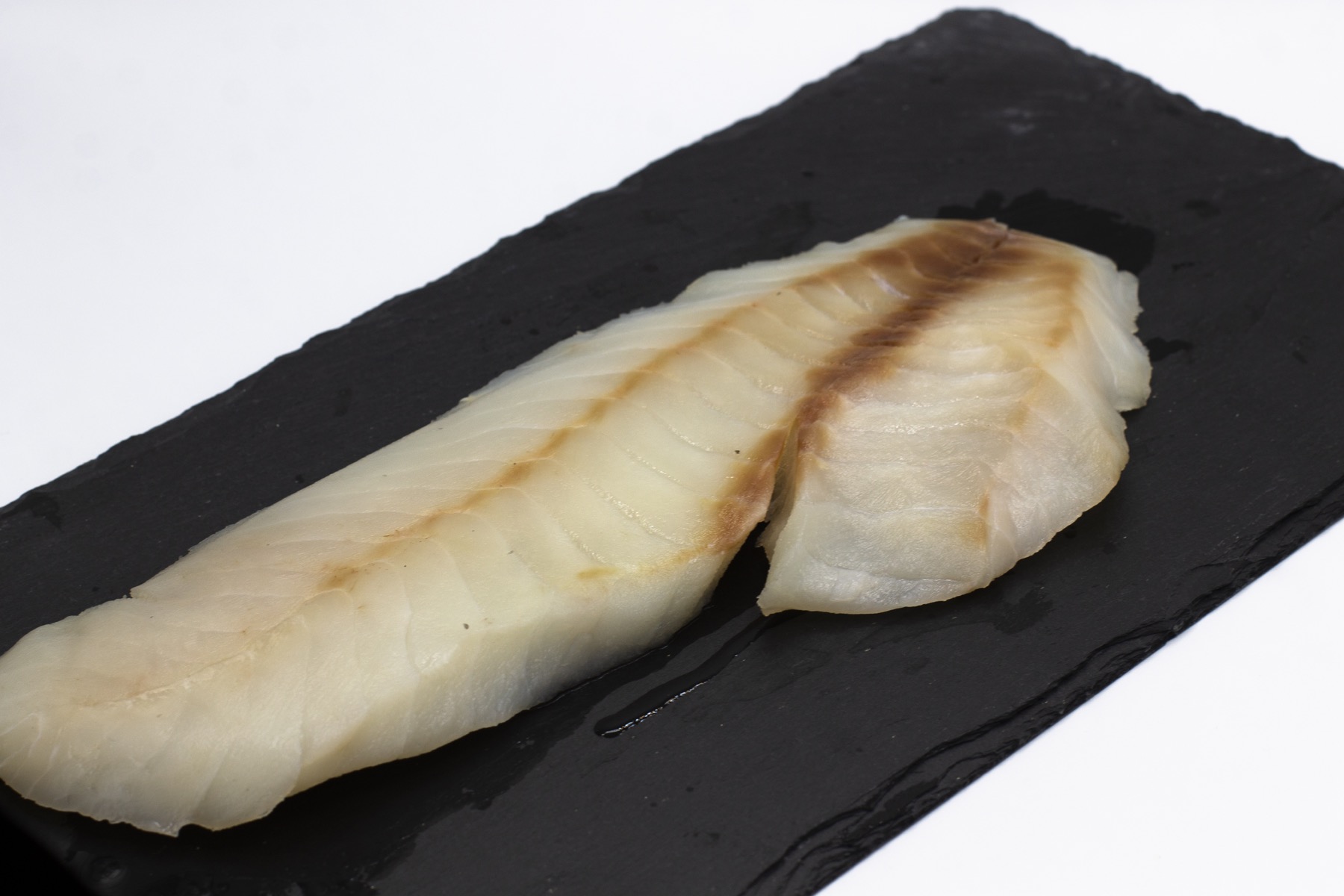
A product frame that keeps the handling visible.
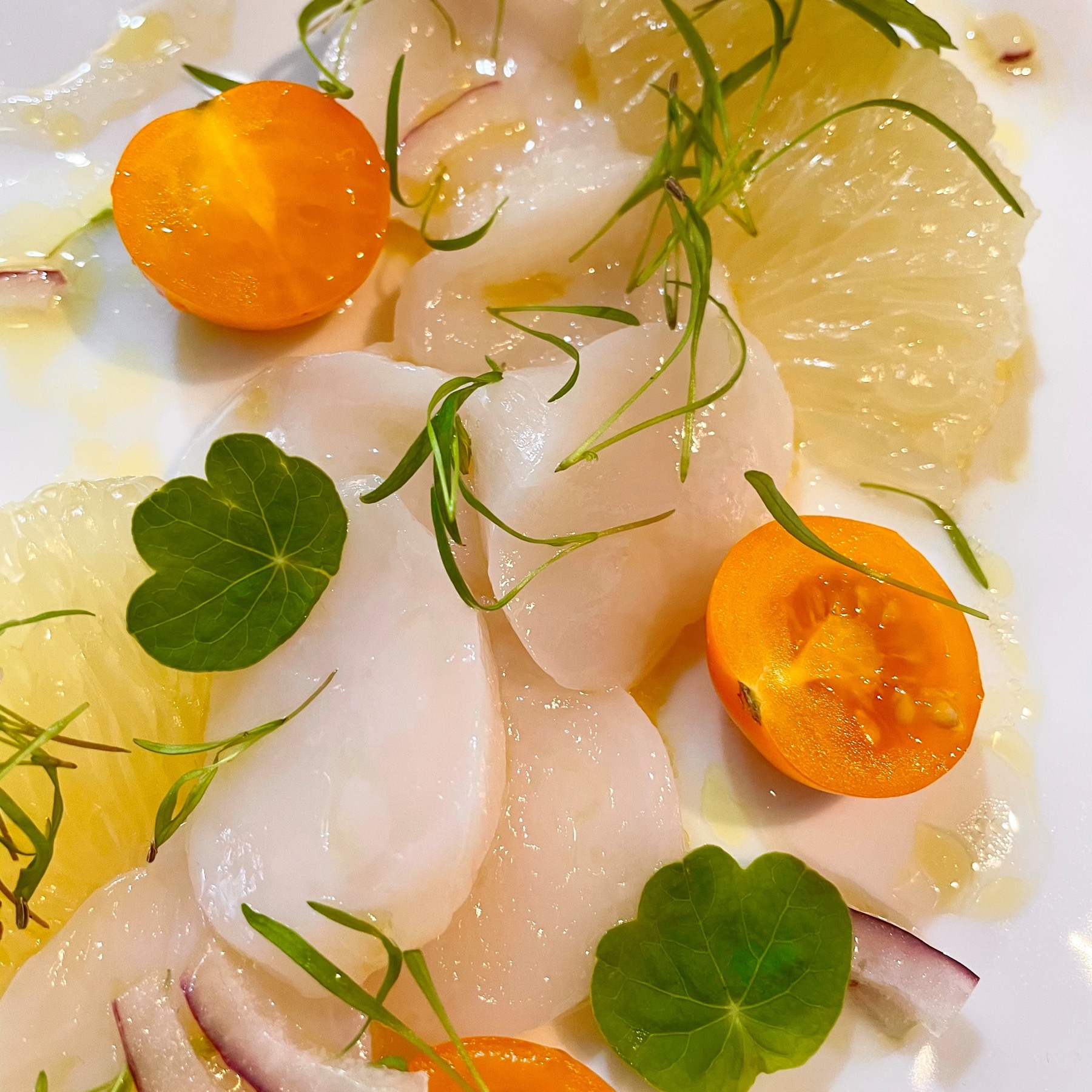
Close enough to show the cut and dressing.
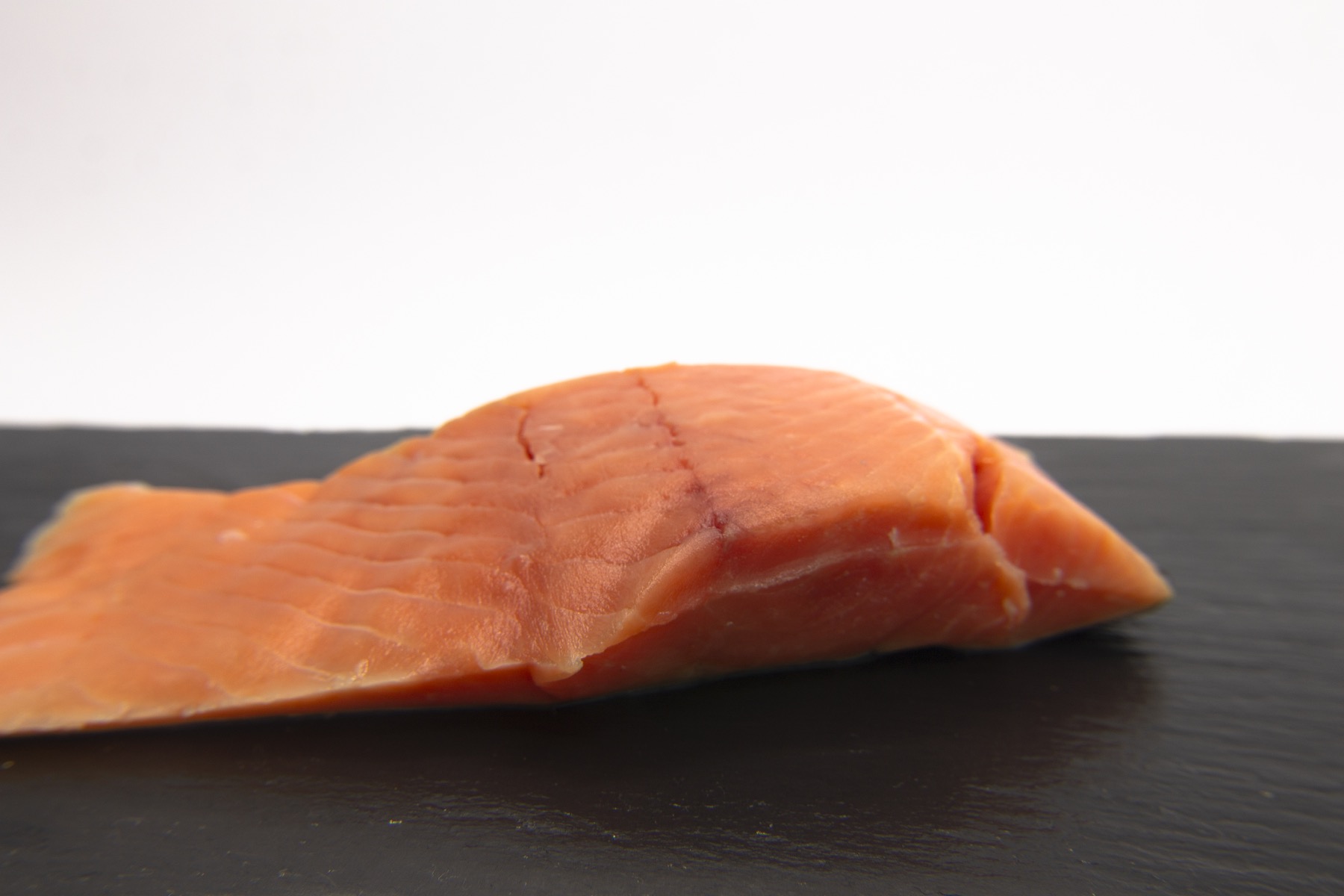
Simple product photography for buying context.
Let the
fish lead.
Buy fewer, better fillets
A 6 oz piece of properly-handled wild halibut is worth more on a plate than a pound of mystery fish. Spend the difference there.
Salt early, dry late
Salt 30 minutes ahead, then pat the fillet bone-dry just before it hits the pan. This is the difference between a sear and a steam.
Pull at 125–130°F
Wild fish is leaner than farmed. Carryover cooking takes it the last 5°F. If the recipe says “until flaky,” the fish is already overcooked.
Acid, fat, herb — pick two
Lemon and butter. Capers and oil. Soy and ginger. Any two of acid + fat + aromatic herb is dinner. A third gets crowded.
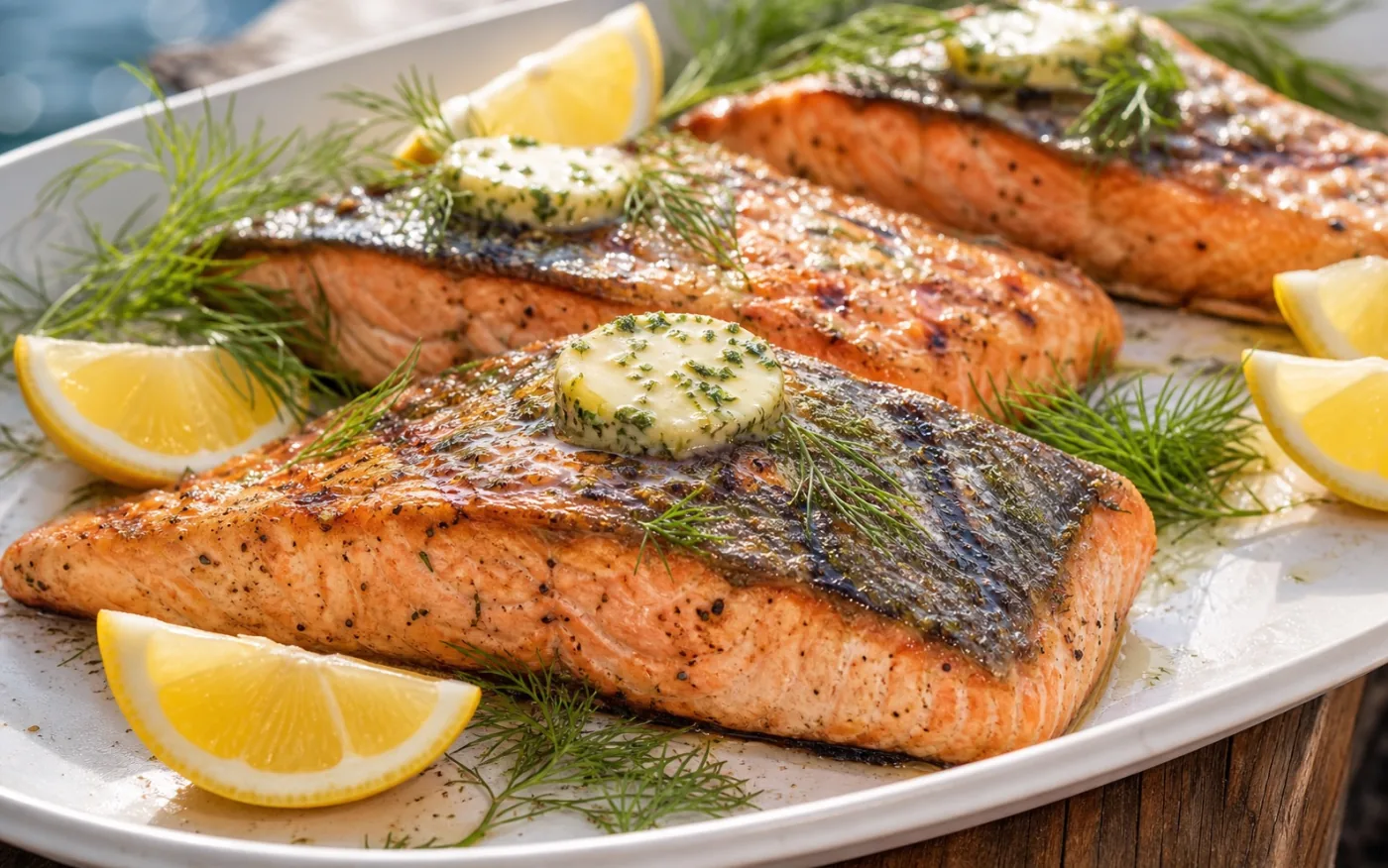
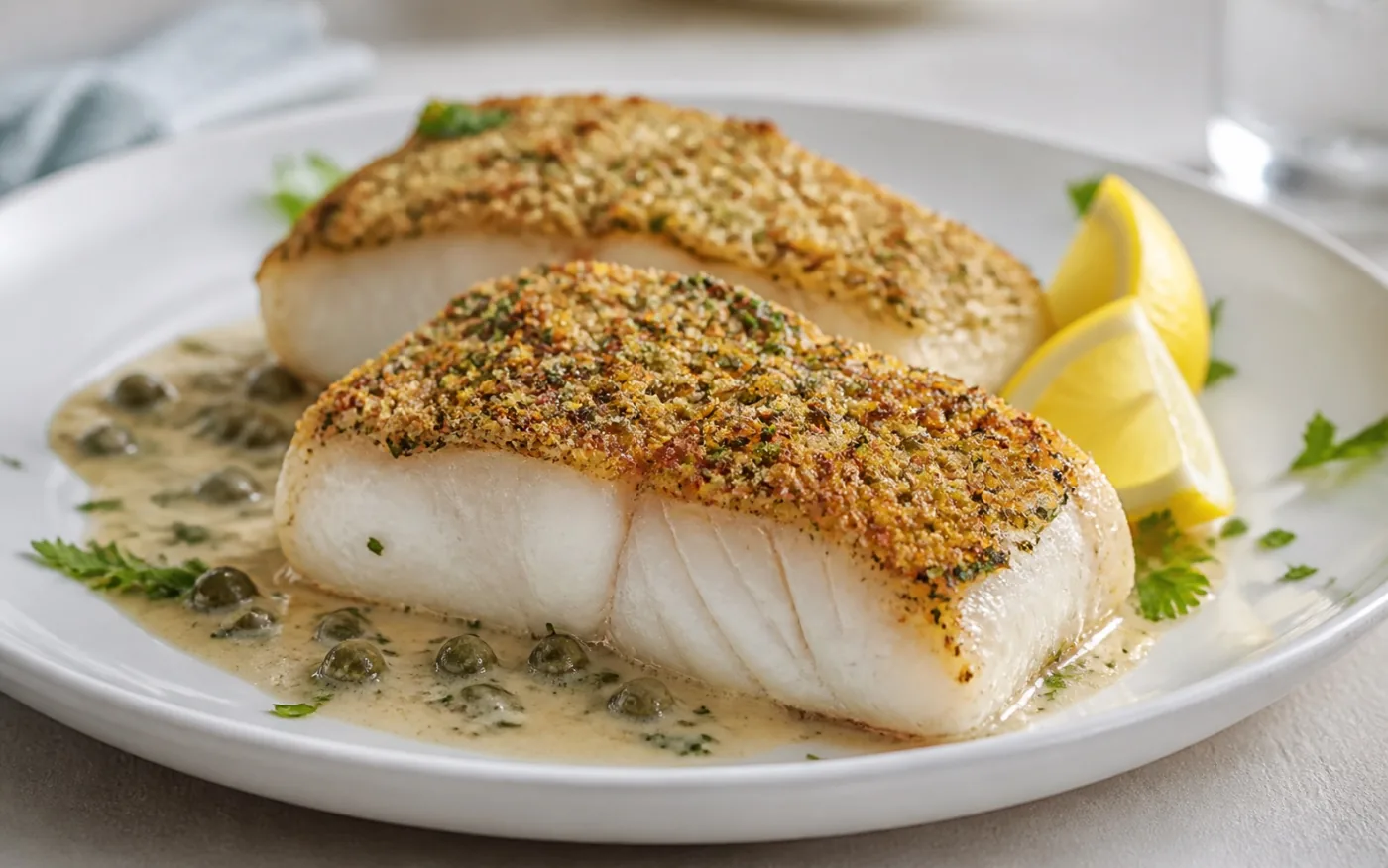
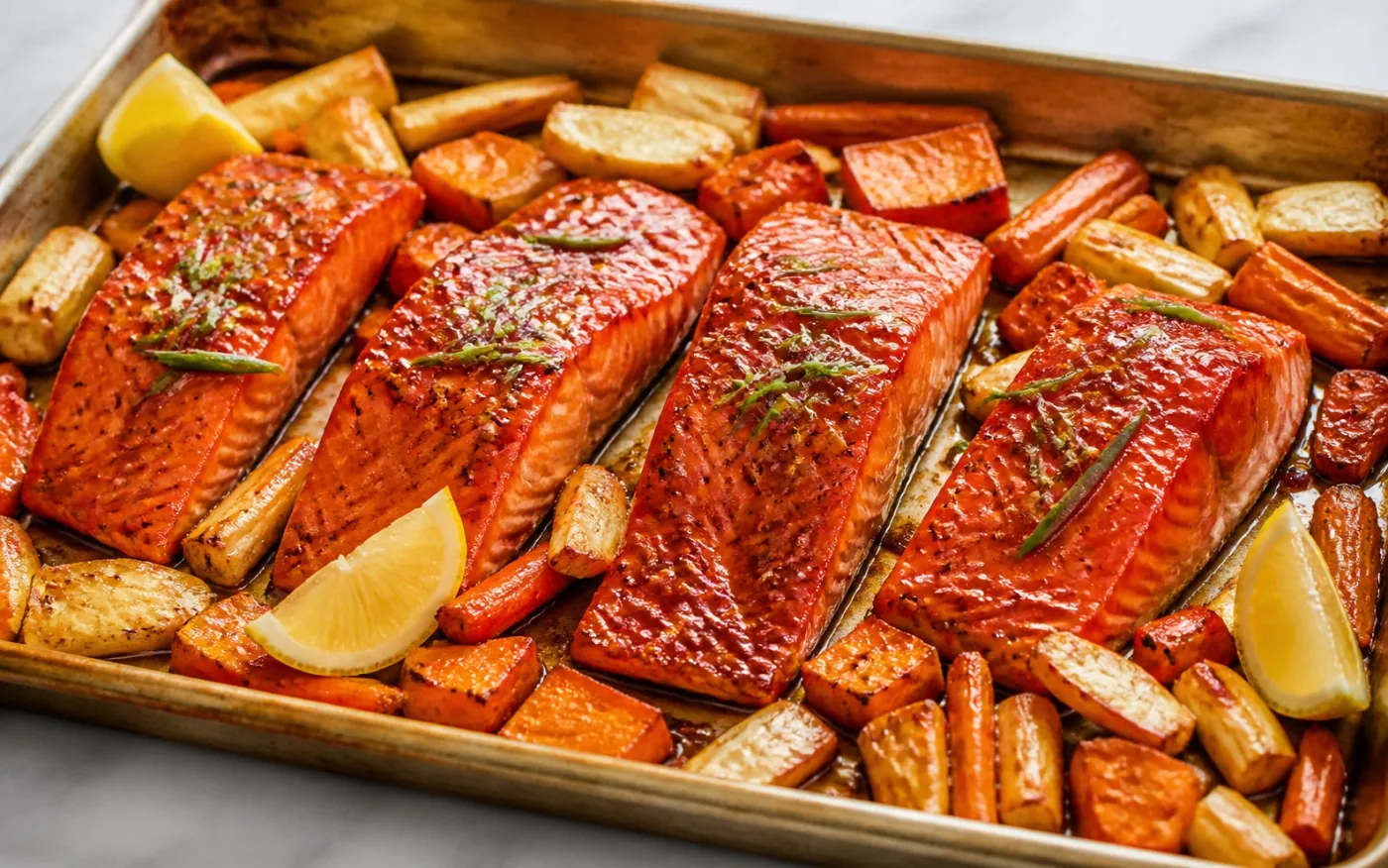
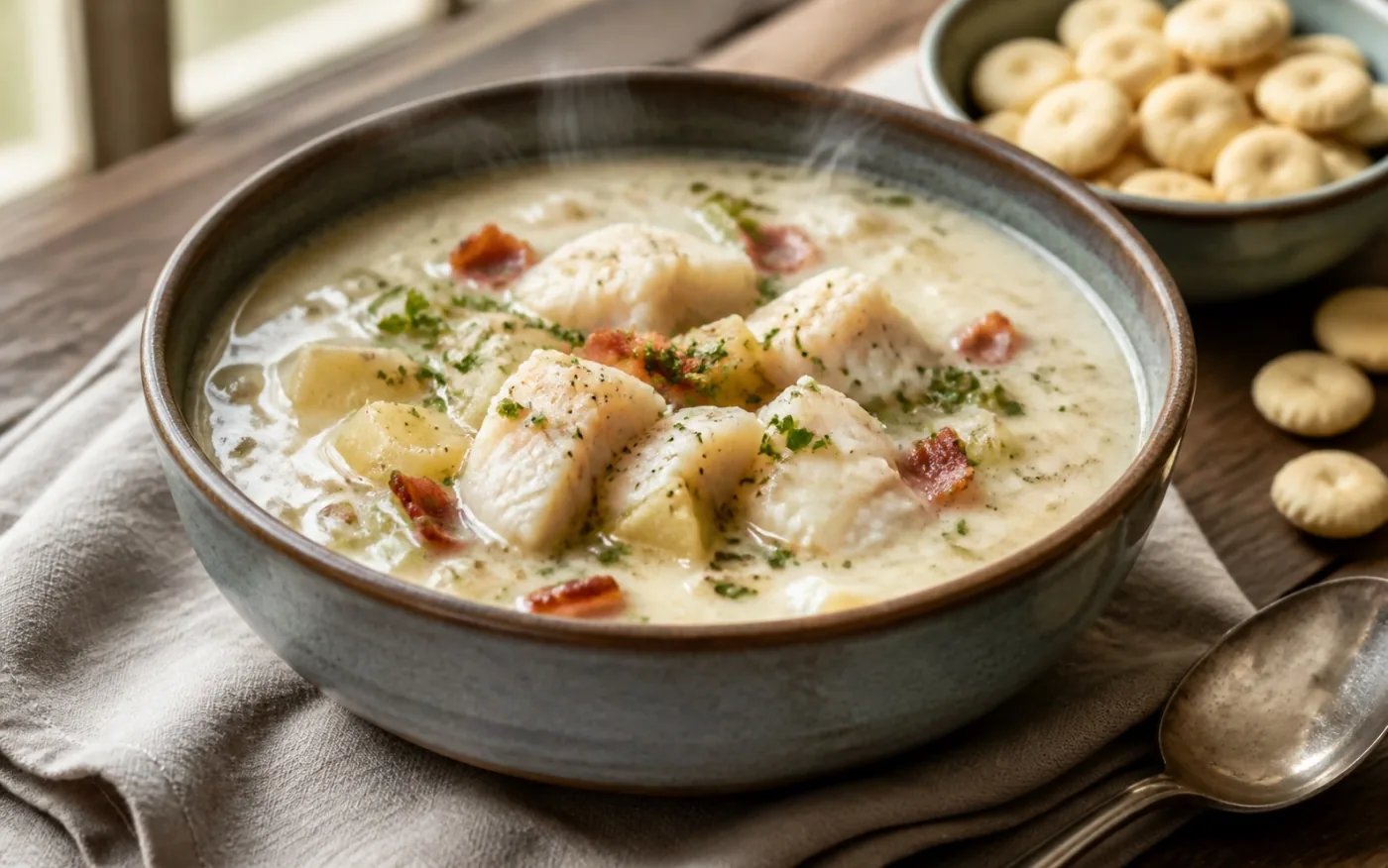
All Recipes
Filter by species, difficulty, or course. New recipes are added as the season progresses.
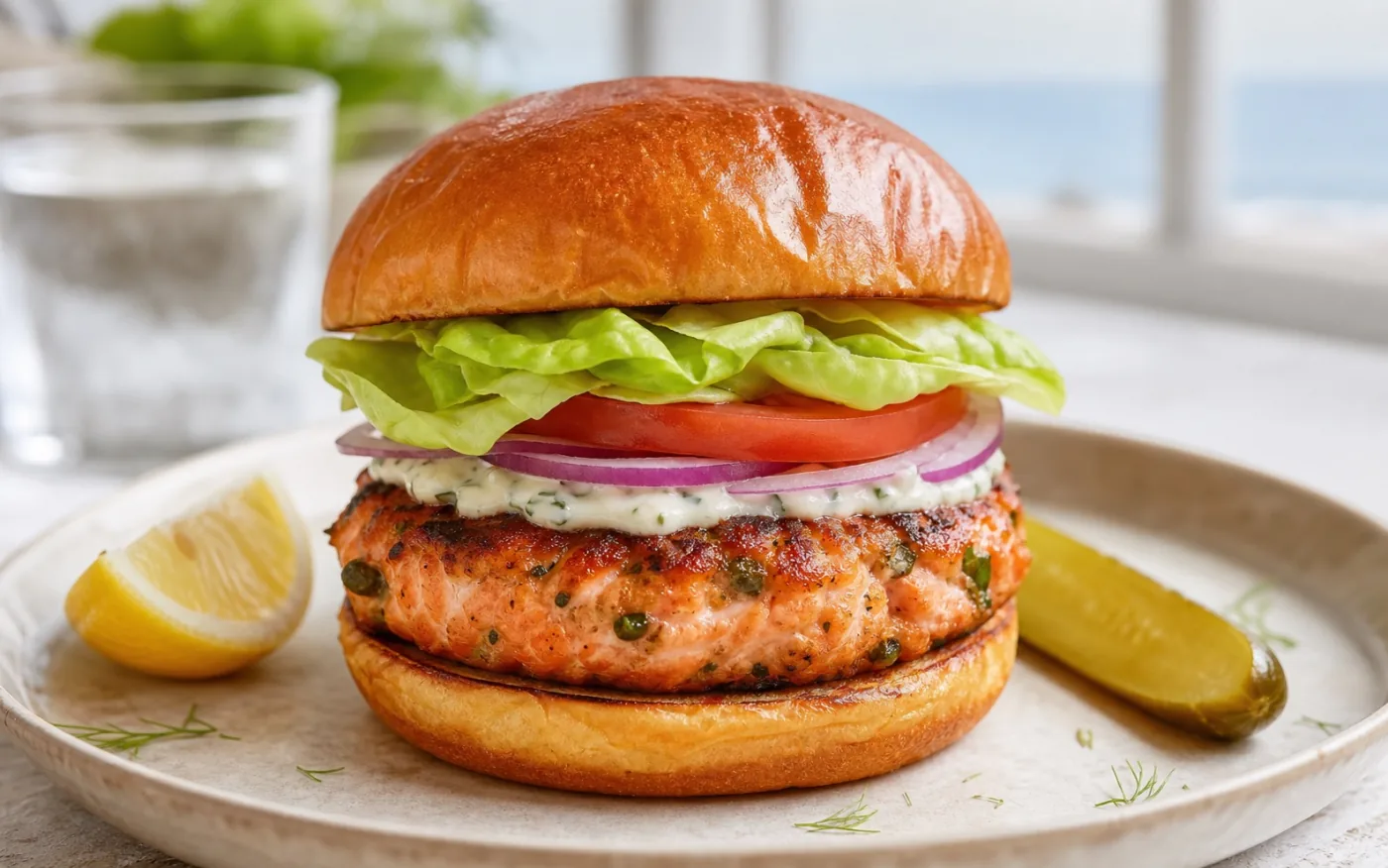
A year on the water
Alaskan seafood follows the seasons. Cook with what’s running and you’ll always be eating the freshest fish — flash-frozen at sea, shipped at peak quality.
| J | F | M | A | M | J | J | A | S | O | N | D | |
|---|---|---|---|---|---|---|---|---|---|---|---|---|
| King Salmon | ★ | ★ | · | · | · | |||||||
| Sockeye Salmon | ★ | ★ | ★ | · | ||||||||
| Keta Salmon | · | ★ | ★ | ★ | · | |||||||
| Halibut | · | ★ | ★ | ★ | ★ | ★ | ★ | ★ | · | |||
| Sablefish | · | · | ★ | ★ | ★ | ★ | ★ | ★ | ★ | · | · | · |
| Pacific Cod | ★ | ★ | ★ | · | · | ★ | ★ | ★ | ||||
| Rockfish | · | · | ★ | ★ | ★ | ★ | ★ | ★ | ★ | ★ | · | · |
| Tanner Crab | ★ | ★ | ★ | · | · | ★ |
Start with our species & buying guides.
Two short reads that will change how you shop for seafood — what to look for, what to skip, and which species are right for which recipes.