Wild-Caught Small Boat Seafood
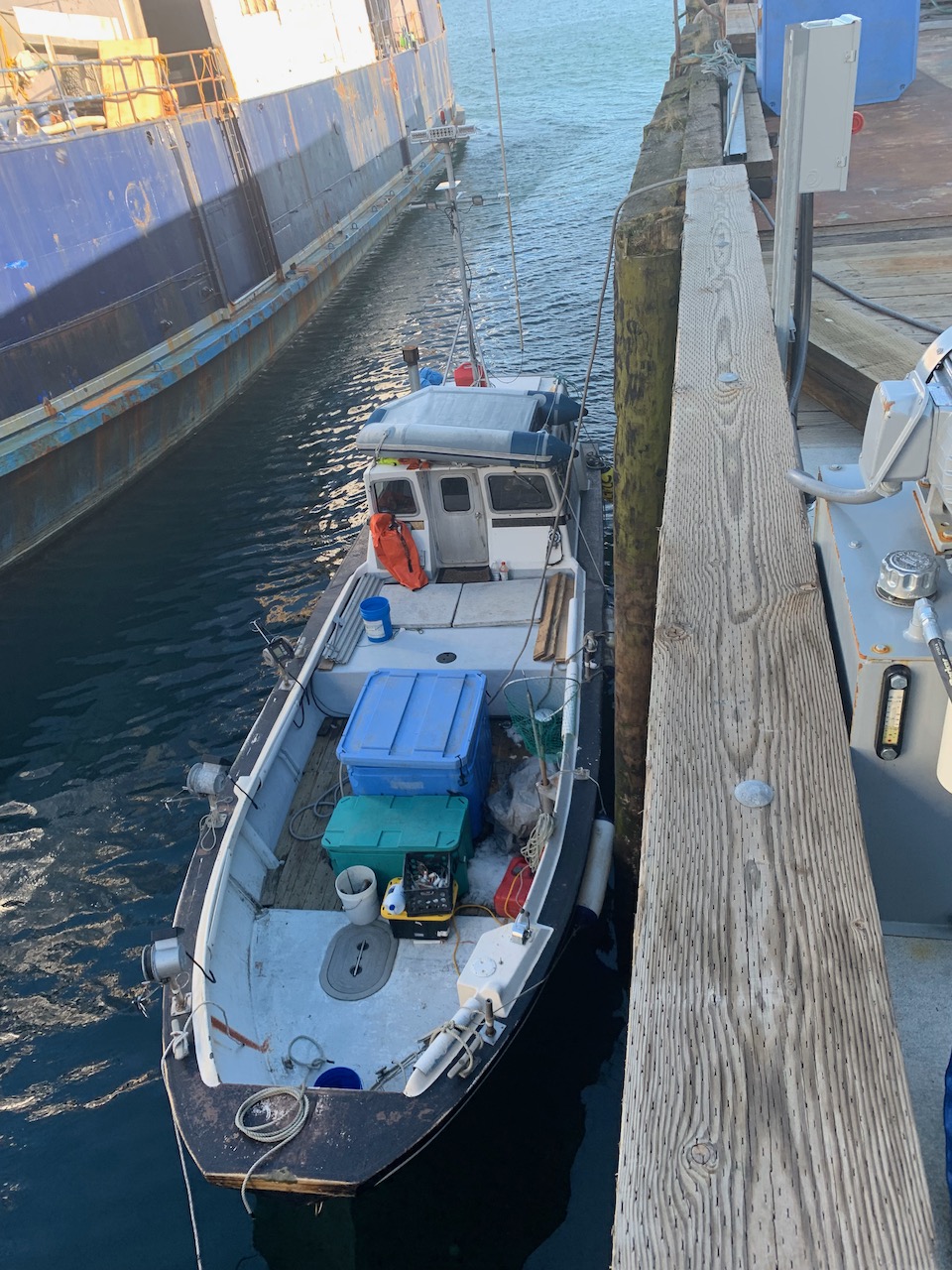
Fishing vessel on scenic Alaska waters

Producers · Getting Started

Getting Started as a Seafood Producer

A practical roadmap for independent fishermen and small seafood producers — from regulatory basics to finding your market.

The Landscape Has Changed

The regulatory environment for commercial seafood has become significantly more demanding over the past five years. FSMA 204's traceability requirements, which took effect in early 2026, mean that producers selling into commercial channels now need to document harvest events in standardized formats that their buyers can receive and verify.

This is not necessarily bad news for small producers. The same regulatory pressure that creates compliance burden also creates a market differentiation opportunity. Producers who can demonstrate clean traceability, HACCP compliance, and direct-from-vessel provenance can command premium prices from buyers who care about those things — and there are more of those buyers every year.

The five steps below are sequenced for producers who are new to commercial sales, but also useful as a self-audit for those already operating who want to check their compliance baseline.

01

Understand Your Regulatory Requirements

FSMA, state licensing, and HACCP — know what applies to you before you sell a pound.

If you process seafood for commercial sale, you are subject to the FDA Seafood HACCP regulation (21 CFR Part 123). This has been federal law since 1997. A written HACCP plan is required — not optional.

FSMA Section 204 (the Food Traceability Rule) adds recordkeeping requirements for anyone handling finfish, crustaceans, or smoked fish. Compliance was required by January 2026. If you are selling into commercial channels, your buyers will be asking for documentation.

State licensing requirements vary. Alaska, Washington, and Oregon all have separate fish dealer, processor, and vessel licenses. Check with your state fish and wildlife agency and your state department of agriculture before your first commercial sale.

02

Set Up Basic Traceability

Harvest records are the foundation. You can build more sophisticated systems later — but you need to start capturing this data now.

At minimum, document: vessel name and registration number, captain/permit holder name, fishing date, species (to species level — not just 'salmon'), harvest method, geographic area or fishing grounds, and approximate quantity.

This is not just regulatory compliance — it is the product story that differentiates your seafood from commodity product. A buyer who can tell their customers exactly which vessel caught their halibut, on what date, in what area, will pay more for that story.

Start with a paper log or spreadsheet. It is imperfect, but it establishes the habit and the data. You can digitize later.

03

Build Your HACCP Plan

FDA provides seafood-specific HACCP guidance. Use it. Do not try to write a plan from scratch without the FDA guidance document.

The FDA's "Fish and Fishery Products Hazards and Controls Guidance" (4th edition) is the reference document. It walks through the hazard analysis for every major seafood category and identifies the appropriate CCPs and critical limits. It is free and available on FDA.gov.

Your HACCP plan must address the specific hazards for your species and processes — not a generic template. A plan for a fresh halibut longline operation looks very different from a smoked salmon processor's plan.

If you are small and just getting started, consider engaging a HACCP consultant for your first plan. The cost is modest relative to the regulatory exposure of operating without one. Many Sea Grant programs offer free or subsidized consulting for small producers.

04

Consider Traceability Technology

Digital traceability tools have come down dramatically in cost. For FSMA 204 compliance and wholesale access, they are worth evaluating.

Wholechain is the platform we recommend for small producers pursuing GDST-compliant records. Mobile-first, designed for fishing vessels and small operations, and integrates with the standards your buyers' systems expect.

Traceability technology serves two purposes: regulatory compliance and market access. Buyers who require FSMA 204 records will need data in a format they can ingest. Systems like Wholechain produce records in standardized formats that integrate downstream.

Start simple. A mobile app that captures harvest data and generates a lot code is a significant improvement over paper logs, and it creates the digital record trail that FSMA 204 and wholesale buyers require.

05

Find Your Market

Community-supported fisheries, direct-to-consumer, and regional networks are often better markets than commodity wholesale for small producers.

Community-Supported Fisheries (CSFs) are the seafood equivalent of a CSA farm share. Customers pay upfront for regular seafood deliveries. This provides working capital and builds direct relationships — your catch is no longer a commodity.

The Local Catch Network (localcatch.org) and Fish Locally Collaborative are national networks connecting small producers with direct-to-consumer infrastructure. Both offer resources and peer connections.

Wholechain's marketplace component can connect you with vetted buyers looking for traceable, regionally-sourced seafood. Buyers who value traceability and sustainability tend to pay better prices and build longer relationships.