
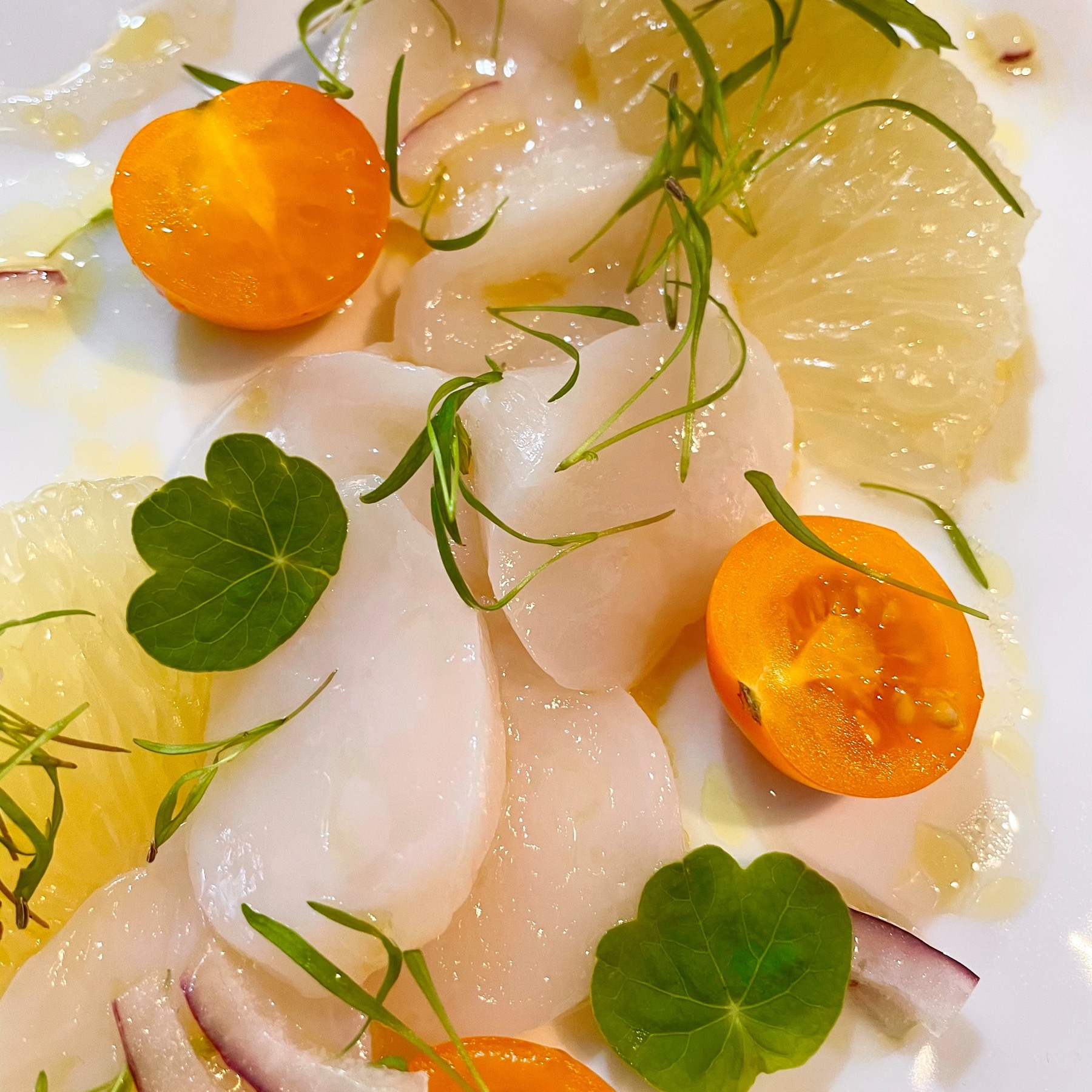
Seafood, Omega-3s, and Better Weeknight Eating
A legacy health and cooking story on omega-3-rich seafood, simple shellfish technique, and why trusted local sourcing makes better eating easier.
2022-06-09 · 2 min read
The original health-wellness story started with a practical question: what if eating better seafood could be part of feeling better?
Seafood is not a substitute for medical care, and food alone is not a treatment plan. But wild seafood can be a useful part of a nutrient-dense weekly routine, especially when it replaces lower-quality proteins and gives the cook a reason to build meals around vegetables, herbs, clean fats, and simple technique.
Omega-3s in Plain Language
Omega-3 fatty acids are often discussed because EPA and DHA play important roles in the body and brain. Our bodies do not make enough of them on their own, so they have to come from food or supplements.
The legacy Pacific Cloud piece focused on seafood as the food-first path: salmon for a year-round freezer staple, and shellfish like scallops and shrimp for lean protein with useful minerals and B vitamins.
The practical takeaway is straightforward. Keep seafood in the weekly rotation, buy from a source you trust, and make the meal simple enough that you will actually cook it.
Scallops: Dry, Salted, and Uncrowded
For scallops, the most important move happens before the pan.
Pat them dry. Lay them out so they are not touching. Salt them lightly on both sides and let them sit while the rest of the meal comes together. That short rest helps pull surface moisture out, which is what lets the scallop sear instead of steam.
Use a large, heavy-bottomed pan. If the pan is crowded, cook in batches. Scallops are ready to flip when the flesh is cooked about halfway up and the translucent edge turns opaque. A little olive oil with a touch of butter gives the sear good color and enough richness without burying the seafood.
Serve them with a puree, herb oil, pesto, rice, couscous, or risotto. The better the scallop, the less it needs.
Shrimp: Heat and Thawing Matter
Shrimp need high heat and careful thawing.
The best thaw is slow in the refrigerator overnight. If time is short, use a colander under cold running water for a few minutes. Avoid the microwave defrost setting; it can leave shrimp rubbery before they even reach the pan.
Whole wild shrimp can be cooked shell-on for deeper flavor in broths and simmered dishes, or shelled for fast sauteing. Either way, remove the digestive tract with a careful cut down the back.
Shrimp work in pasta, risotto, stir-fries, salads, summer rolls, dumplings, and simple vegetable-forward meals. The legacy piece imagined shrimp with sauteed leeks, garlic, peas, and homemade potato gnocchi. That is still a good target: bright, seasonal, and not overcomplicated.
Shop Local When You Can
The original story ended where a lot of Pacific Cloud stories end: sourcing.
A trusted seafood supplier makes it easier to eat wild, seasonal seafood regularly. A local market or pickup counter also lets customers ask better questions: what is in season, how it was handled, how to thaw it, and what cooking method fits the product.
That combination of sourcing and technique is the real habit. Buy better seafood, keep the preparation honest, and let the fish or shellfish carry the meal.
Source note: migrated and edited from the legacy Pacific Cloud health-wellness story "Improve Your Mood with Seafood."