The farmers market table that built Pacific Cloud
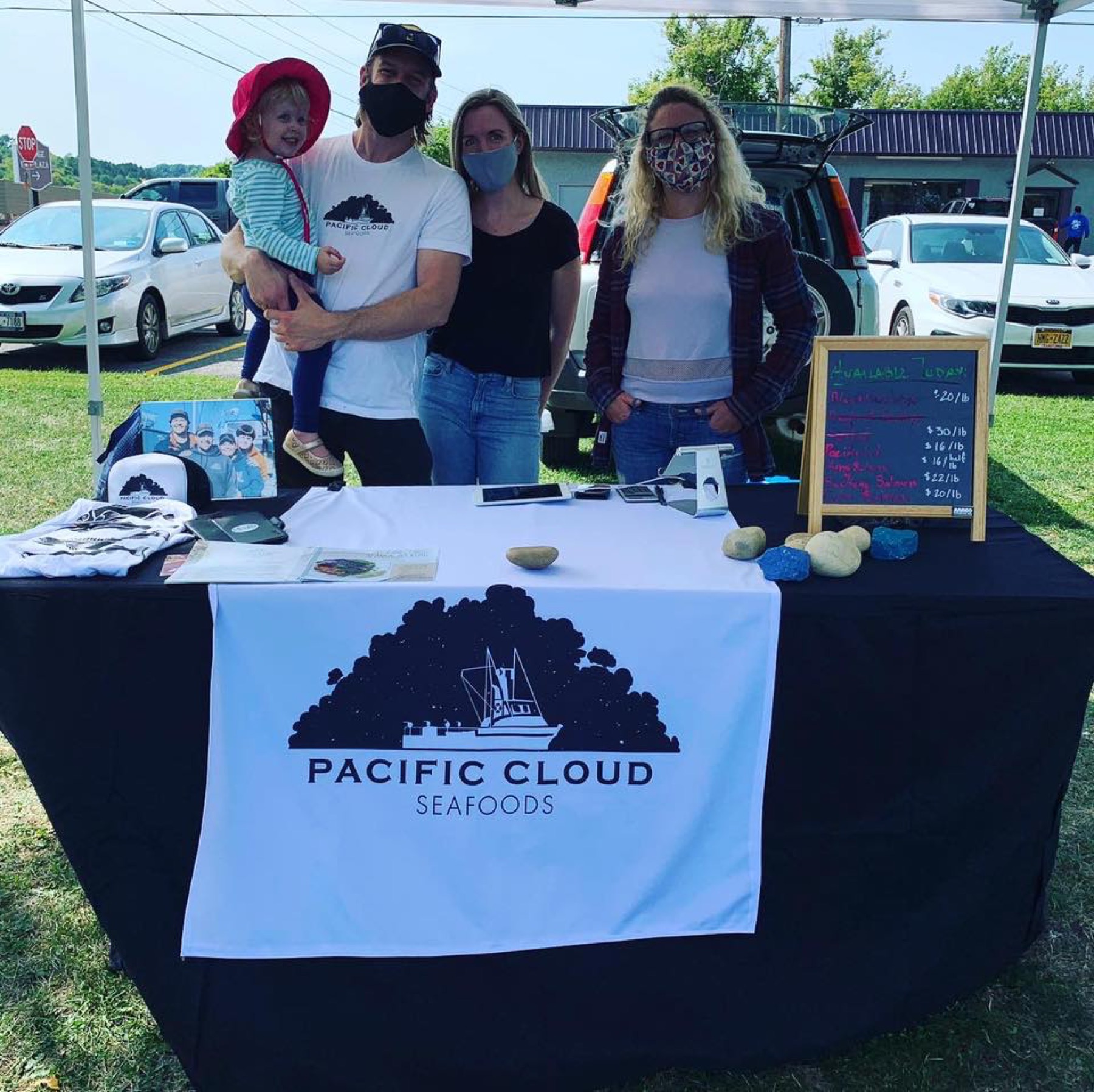
Before Pacific Cloud had a website, it had a farmers market table in Western New York and customers asking where the fish came from.
2026-06 · 2 min read
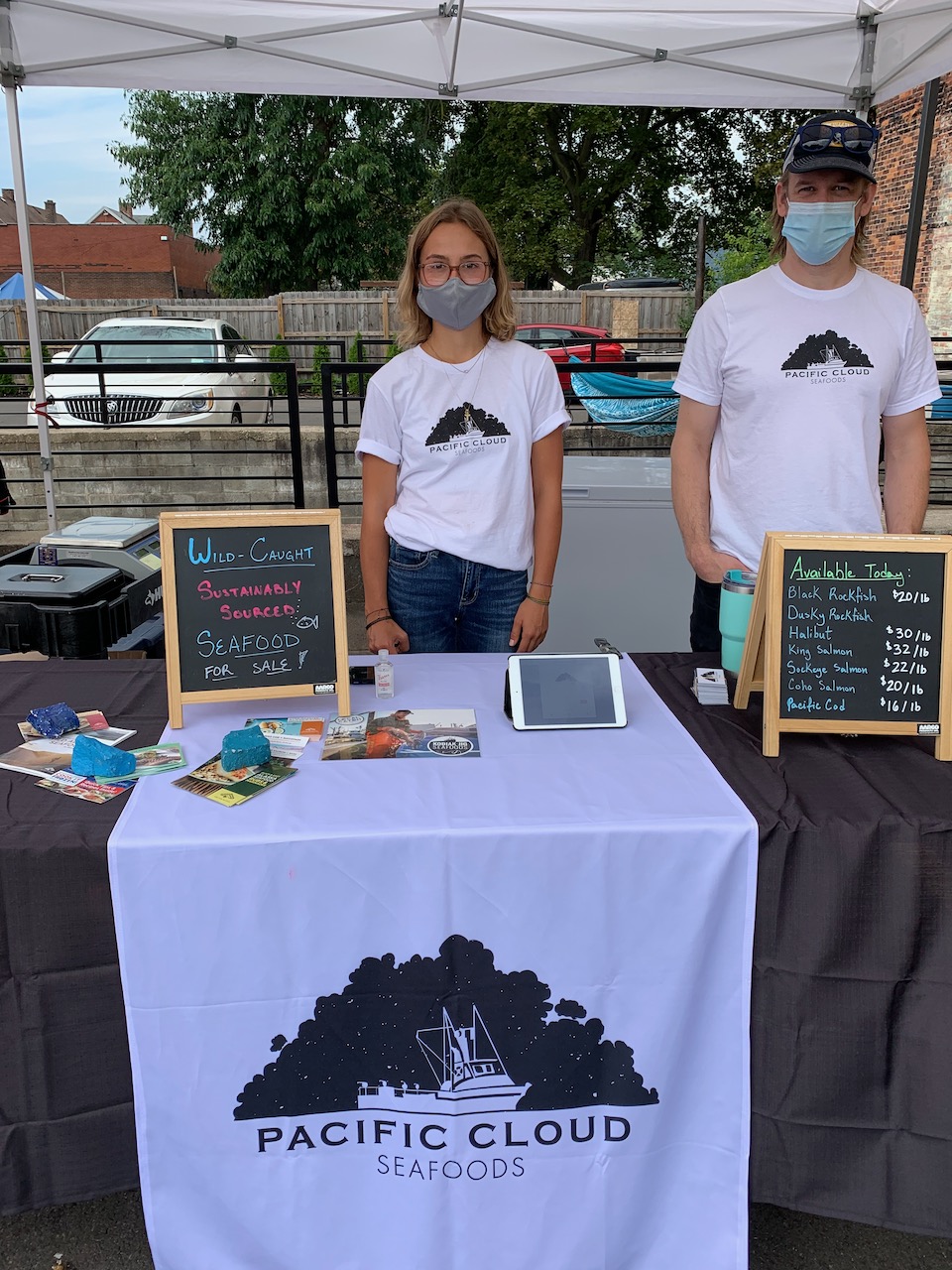
Before Pacific Cloud had a website, it had a table, a cooler, a chalkboard sign, and a long line of questions.
The farmers market was the first place the sourcing story had to stand on its own. People could see the fish, read the signs, and talk directly with the person selling it. That changed the job. It was not enough to say the seafood was wild or Alaskan. Customers wanted to know who caught it, where it was landed, why it was frozen, and how they should cook it when they got home.
A table before a storefront
The market forced clarity. Every piece of copy had to become a real answer. If a customer asked why frozen fish could be better than fresh, the answer had to make sense in thirty seconds. If someone asked who the fisherman was, the story had to be specific enough to earn trust.
That is where the Pacific Cloud voice came from: direct, specific, and grounded in the work behind the product.
The table also made the weakness of normal seafood retail obvious. Most seafood buying happens at a distance. The customer sees a fillet and a price. The boat, harvest date, handling, freezing, and chain of custody disappear. At the market, those details came back into the conversation.
Customers asked better questions
The best market customers were not looking for a sales pitch. They were looking for confidence. They wanted to understand the difference between species, how long a portion would keep, whether the fish was previously frozen, and what "wild-caught" actually meant.
Those questions became a product roadmap.
- Explain freezing as quality protection, not a compromise.
- Show the relationship between boat, harvest, and buyer.
- Make seafood feel as knowable as local produce.
- Treat customers like they are capable of understanding the supply chain.
The blueprint
Pacific Cloud grew out of that direct accountability. The market table proved that people will care about source when the story is concrete and the seller is willing to answer questions plainly.
That is still the blueprint. Whether seafood is shipped across the country, picked up down the street, or explained in a blog post, the standard is the same: make the source visible before asking anyone to buy.