
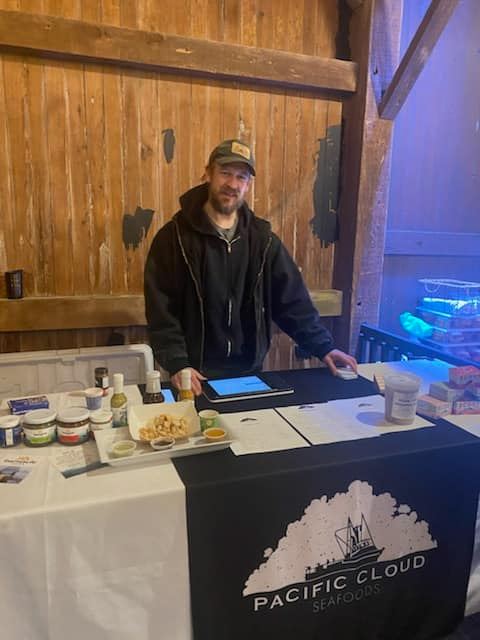
The Western New York farmers market route
A map of the Buffalo, Southtowns, Niagara, and Rochester market route that shaped Pacific Cloud's direct seafood work.
2026-05 · 2 min read
The Western New York farmers market route was not just a sales channel. It was a listening system.
The folders tell the story in the plainest possible way: Elmwood, North Tonawanda, East Aurora, Hamburg, Williamsville, Rochester Public Market, South Wedge, University of Rochester. Applications, certificates, vendor packets, market kits, and photos all point to the same operating reality. To sell traceable seafood inland, you had to show up in person.
Buffalo to Rochester
The route connected a coastal food story to an inland local food culture. Buffalo shoppers already understood farm stands, seasonal buying, and producer relationships. Seafood needed to enter that same mental model.
That meant building a booth that could answer three questions quickly:
- Where did this come from?
- Who handled it?
- Why should I trust it?
Market paperwork may look boring, but it is part of the story. Every application and certificate represented another attempt to put wild seafood in front of customers who were used to buying food from people, not anonymous supply chains.
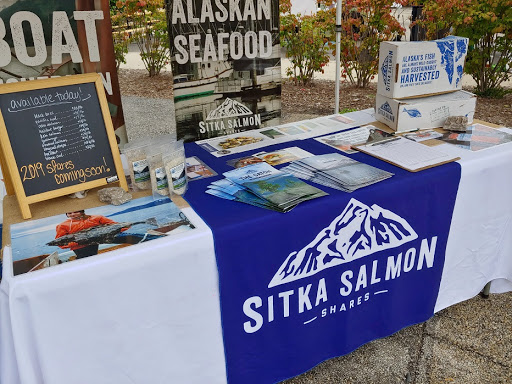
What the map shows
The map on the Where to Buy page is an archive map, not a live schedule. It shows the route that shaped the company: Buffalo, the Northtowns, the Southtowns, Niagara County, and Rochester.
Each stop mattered for a different reason. Some markets were strong for conversation. Some were better for pickup. Some proved that customers would cross from produce shopping into seafood buying if the source story was clear enough.
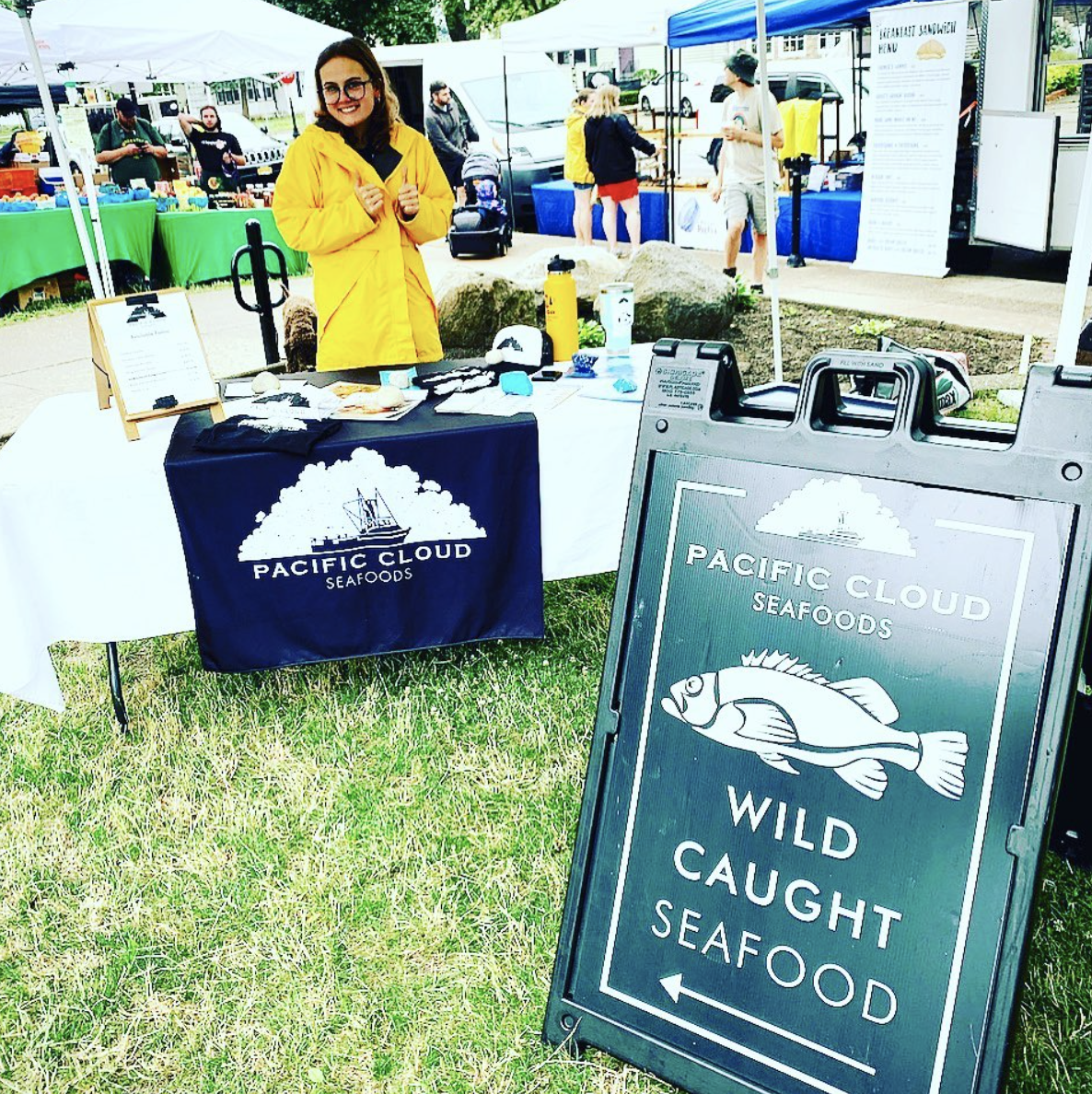
The route became infrastructure
The market route eventually became more than a calendar. It became the foundation for pickup language, buying guides, customer education, and the way Pacific Cloud explains seafood now.
The lesson was simple: customers do not need a simpler story. They need a better one. Give them a clear route from dock to market table, and they will ask sharper questions.