
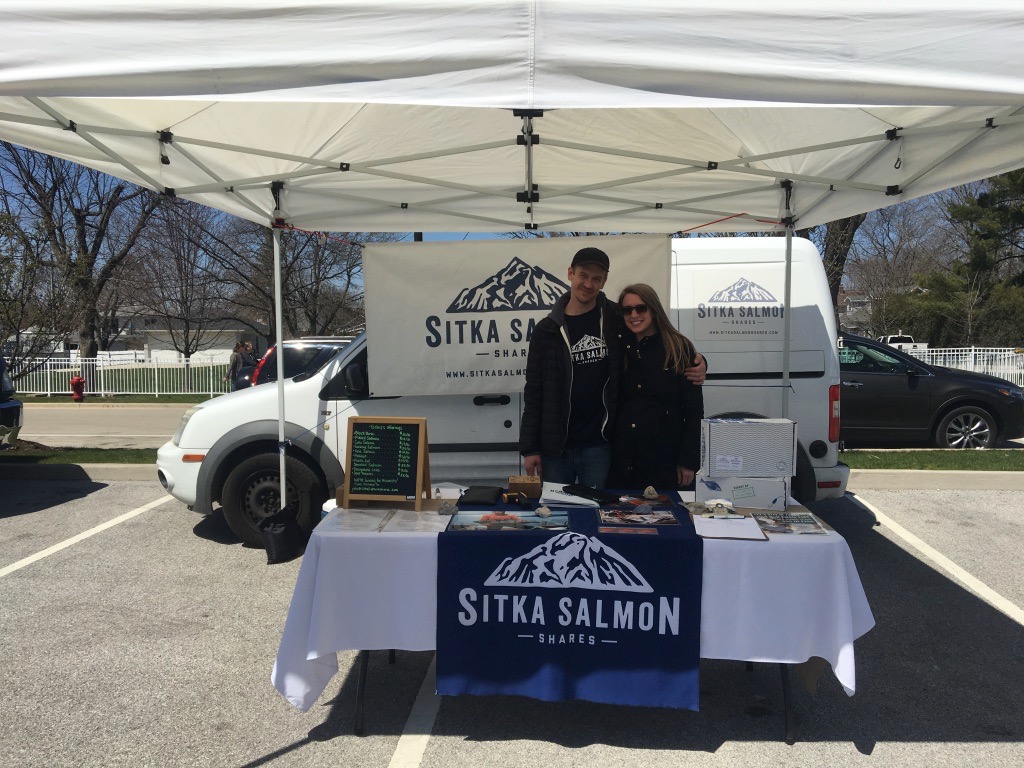
What market customers taught us about traceability
The farmers market proved that seafood traceability works only when it can survive real customer questions.
2026-04 · 2 min read
Traceability sounds technical until a customer asks a simple question at a market table.
"Who caught this?"
"Where did it come from?"
"How fresh is it really?"
Those questions are not edge cases. They are the whole point. If the sourcing story cannot survive a face-to-face conversation, it will not survive a label claim, a website, or a supply-chain audit.
Traceability has to be explainable
At the market, nobody asked for a compliance framework. They asked human questions. The useful answer still needed the same backbone that traceability standards care about: vessel, location, handling, freezing, storage, and chain of custody.
The difference was language. A market answer had to connect the technical record to something a buyer could understand and act on.
That is why Pacific Cloud treats traceability as education, not just documentation. Records matter. Standards matter. But customers build trust when those records become a story they can verify.
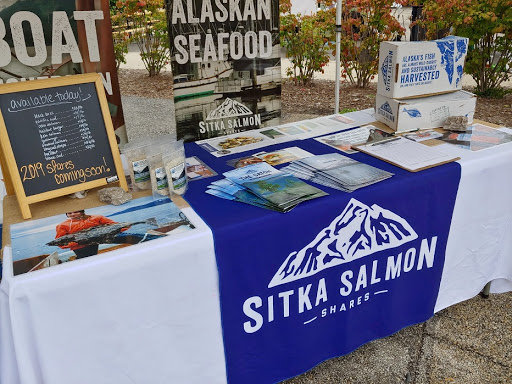
The buyer is part of the system
The farmers market made one thing obvious: customers are ready for more transparency than the seafood industry usually gives them. They can handle nuance. They understand seasonality. They know quality takes work.
What they do not accept is vagueness.
When a customer asks about a fish and the answer is generic, trust drops. When the answer includes the boat, the region, the handling method, and the reason it matters, the product becomes easier to believe.
From dock to table
The John Cannon harbor photos belong in this story because they show the other end of the same relationship. Boats at the dock are not abstract origin points. They are the start of the chain that eventually reaches a market table, a pickup window, or a dinner plate.

The market taught us that traceability is not finished when the data is captured. It is finished when the buyer can understand it, question it, and trust the answer.