
Wild-Caught Small Boat Seafood
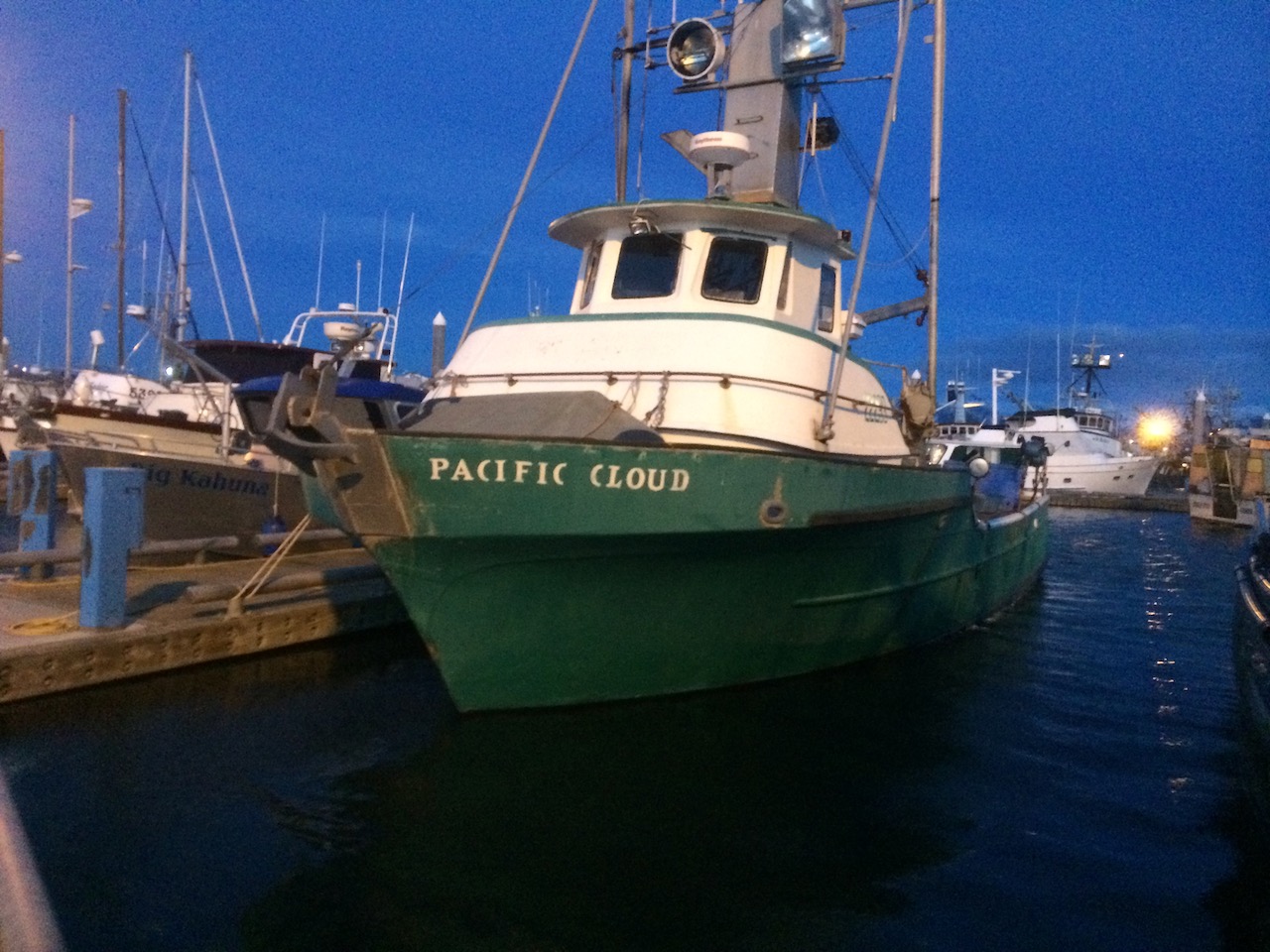
F/V Pacific Cloud in harbor

Standards · Traceability

GS1 Standards in Seafood Traceability

GS1 creates the global identifiers that make traceability systems talk to each other. Without common identifiers, every company's data is an island.

What Is GS1?

GS1 is a global nonprofit organization that develops and maintains open standards for supply chain identification and data exchange. They created the barcode system used in grocery stores, the identifiers embedded in hospital patient wristbands, and the data standards that allow different companies' systems to exchange information without custom integrations.

In the seafood industry, GS1 standards matter because traceability only works end-to-end if every participant in the chain uses compatible identifiers. A fishing vessel in Alaska, a processor in Seattle, a distributor in Chicago, and a restaurant buyer in New York all need to reference the same product the same way. GS1 provides the vocabulary.

GS1 membership allows companies to obtain a unique Company Prefix — the first digits of any GS1 identifier — that ensures no two companies create conflicting product codes. This is what makes the system globally interoperable rather than regionally siloed.

Key GS1 Identifiers

Three identifiers do most of the work in seafood traceability. Understanding what each one represents is the foundation for building a GDST-compliant data strategy.

GTIN
Global Trade Item Number

The barcode on the package. Uniquely identifies a trade item — a specific product from a specific company.

Seafood Use

Identifies retail fish products, bulk packs, and processed items. Enables scanning at retail and connects to product master data.

Example Format
00-12345-67890-2 (14 digits at pallet level)
GLN
Global Location Number

Uniquely identifies a physical location or legal entity. Used to identify where events happen — not what product is moving.

Seafood Use

Identifies fishing vessels, processing facilities, cold storage locations, distribution centers, and buyer facilities.

Example Format
0614141000005 (13 digits)
SSCC
Serial Shipping Container Code

Uniquely identifies a logistics unit — a pallet, case, or shipment container — throughout its movement through the supply chain.

Seafood Use

Tracks individual shipments from processor to distributor to buyer. Enables event-level chain of custody documentation.

Example Format
00-0614141-12345678-9 (18 digits)

Why Interoperability Matters

Without common identifiers, every company's traceability system is a closed loop. GS1 is what allows data to flow across company boundaries — which is the only way traceability actually works.

Vendor-Neutral Exchange

A GLN for a fishing vessel from Kodiak, Alaska works in every traceability system that follows GS1 standards — whether the downstream buyer uses Wholechain, iFish, or a proprietary enterprise system. Without GS1, each platform invents its own identifiers.

GDST 1.0 Backbone

The Global Dialogue on Seafood Traceability standard uses GS1 identifiers as its primary data structure. GDST-compliant data exchange means GS1-compliant identifiers. If you are building toward GDST compliance, GS1 registration is the first step.

FDA FSMA 204 References

FDA's Food Traceability Final Rule references GS1 identifiers as the recommended format for Key Data Elements (KDEs). While the rule does not mandate GS1, using these identifiers puts you in alignment with the compliance pathway FDA expects most large operations to follow.

Retail Scanning Infrastructure

Every major grocery retailer's receiving system reads GS1 barcodes. If you are selling into retail — whether directly or through a distributor — your product will eventually need a GTIN for scan-at-shelf or receiving workflows.

GS1 & GDST: How They Connect

GDST 1.0 uses GS1 identifiers as the backbone for data exchange. At each Critical Tracking Event, GS1 identifiers specify what product is moving and where it is going.

Supply Chain StepGS1 Identifiers UsedGDST Role
Harvest EventGLN (vessel) + GTIN (species/product)First Critical Tracking Event
Landing EventGLN (port/facility) + SSCC (shipment)CTE: Landing
Processing EventGLN (facility) + GTIN (new product form)CTE: Processing
Shipping EventSSCC (pallet/case) + GLN (origin)CTE: Shipping
Receiving EventSSCC (verified) + GLN (destination)CTE: Receiving

FSMA 204 and GS1

FDA's Food Traceability Final Rule (FSMA Section 204) requires specific Key Data Elements to be recorded at each Critical Tracking Event for foods on the Food Traceability List — which includes finfish and crustaceans. While the rule does not mandate GS1 identifiers, the FDA's guidance documents strongly reference GS1 formats as the recommended implementation pathway.

Practically, if you are building a FSMA 204-compliant traceability system and you want it to work with your buyers' systems and the broader industry infrastructure, GS1 identifiers are the standard approach. Platforms like Wholechain, which support GDST-compliant records, are built on GS1 data structures.

Companies that invest in GS1 registration and implementation are also positioned for retail access — most major grocery chains require GTIN-based product data submission to their product databases as a condition of doing business.