Wild-Caught Small Boat Seafood
Catching Grounds3 areas · Alaska

Where the
fish swim.

The waters that supply Pacific Cloud's seafood. Every fish has a port of landing, a fishing season, and a captain. This is where to start if you want to know where your fish came from.
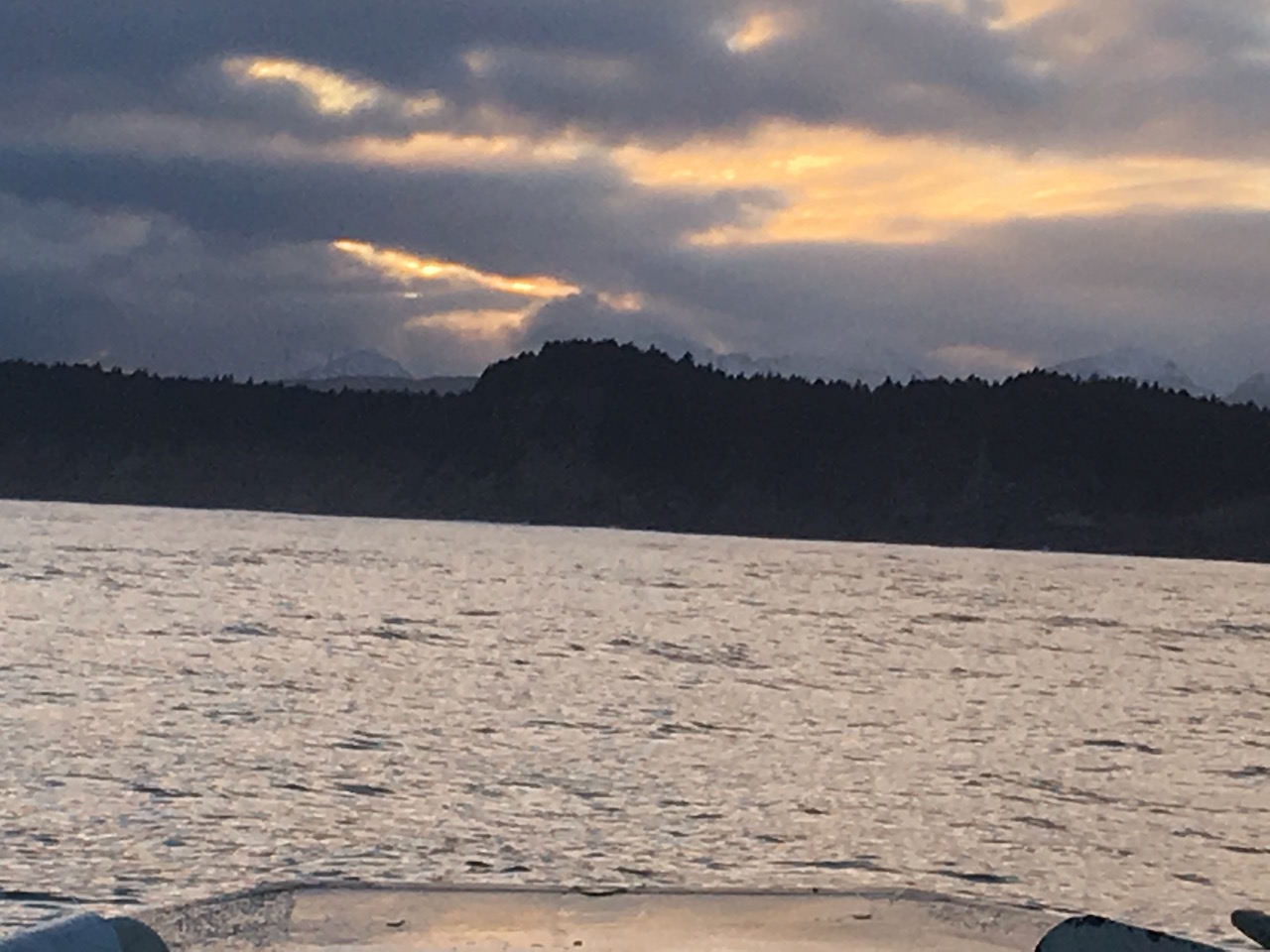
Open Alaska water at sunset
Southwest Alaska

Bristol Bay

Season · Late June – early August

Bristol Bay produces roughly half of the world's wild sockeye salmon every summer. The run window is brutally short — usually three to four weeks in late June and July — and the fishery is one of the most carefully managed in the world. Catch limits are set by escapement counts on the rivers feeding the bay, and the fleet is held to strict gear restrictions: 32-foot bowpickers, set-net sites on the beach, no exceptions.

1 species·0 producers
Visit Bristol Bay
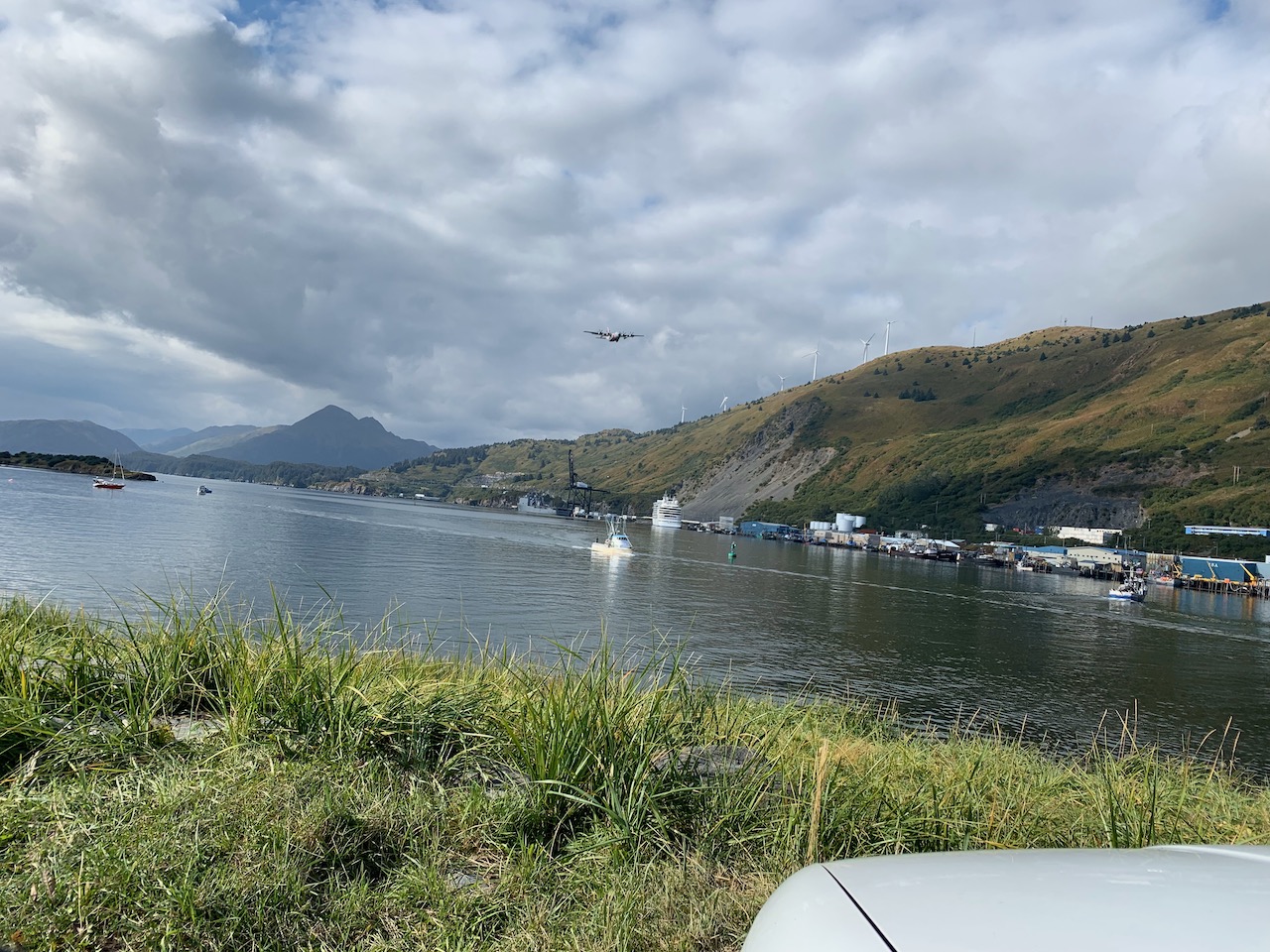
Kodiak harbor from shore
Gulf of Alaska

Kodiak

Season · Year-round (peak May–Sep)

Kodiak is the working heart of the Gulf of Alaska. The island sits 250 miles southwest of Anchorage and supports the second-largest fishing port in the United States by volume. The waters around Kodiak hold halibut, sablefish, salmon, Pacific cod, rockfish, and Tanner crab — most of which are caught by the kind of small-boat operators Pacific Cloud is built around.

10 species·3 producers
Visit Kodiak
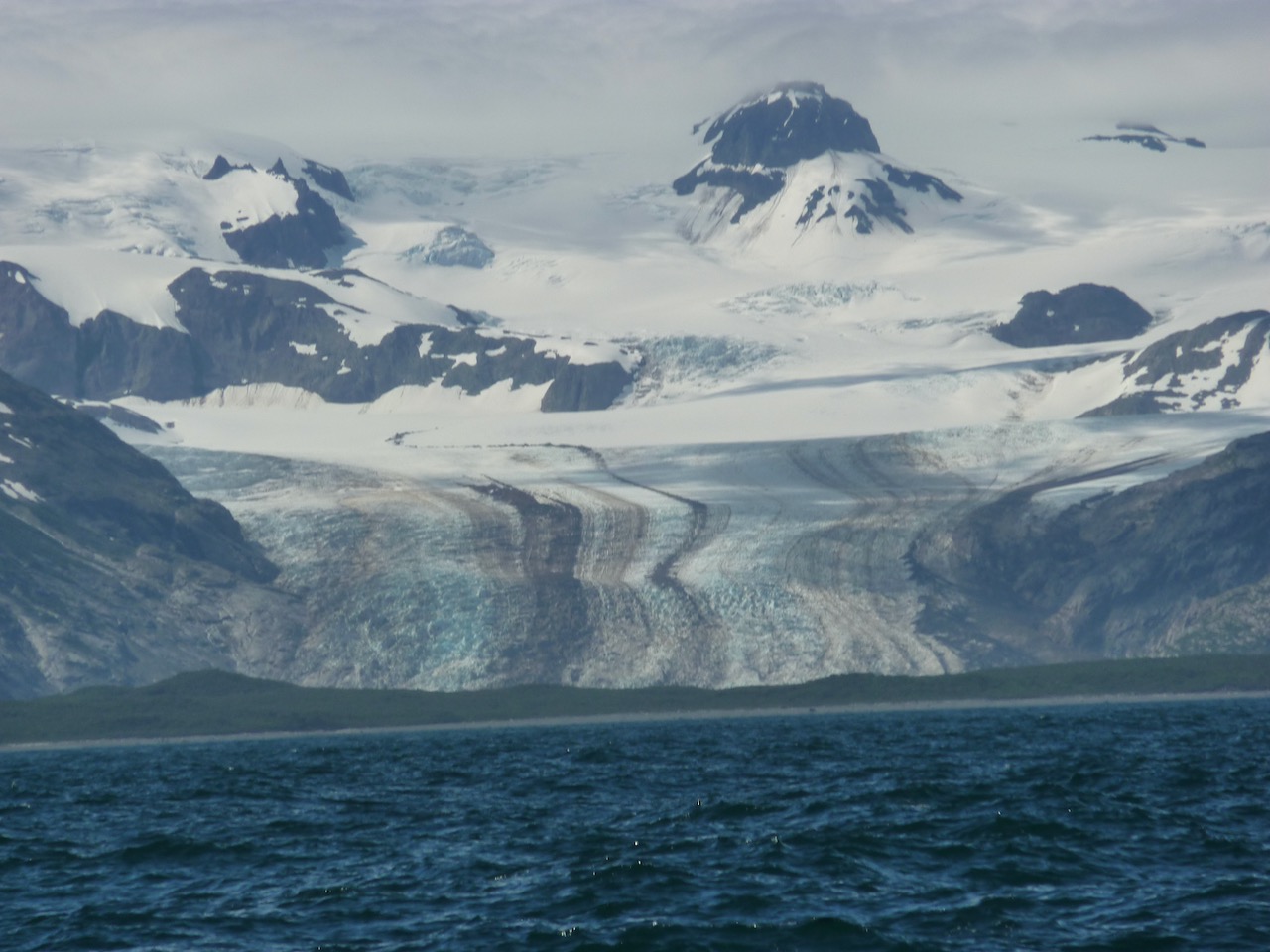
Snow-capped peaks above Sitka Sound
Southeast Alaska

Sitka

Season · Apr–Oct

Sitka sits on the outer coast of Baranof Island in Southeast Alaska, surrounded by the protected waters of Sitka Sound and Chichagof. The fleet here is small-boat by tradition — mostly trollers, longliners, and seiners working summer king and coho salmon, halibut, lingcod, sablefish, and rockfish. Salmon trolling is one-fish-at-a-time, hook-and-line gear, which is why Southeast salmon command a quality premium that no industrial fleet can match.

7 species·1 producers
Visit Sitka