
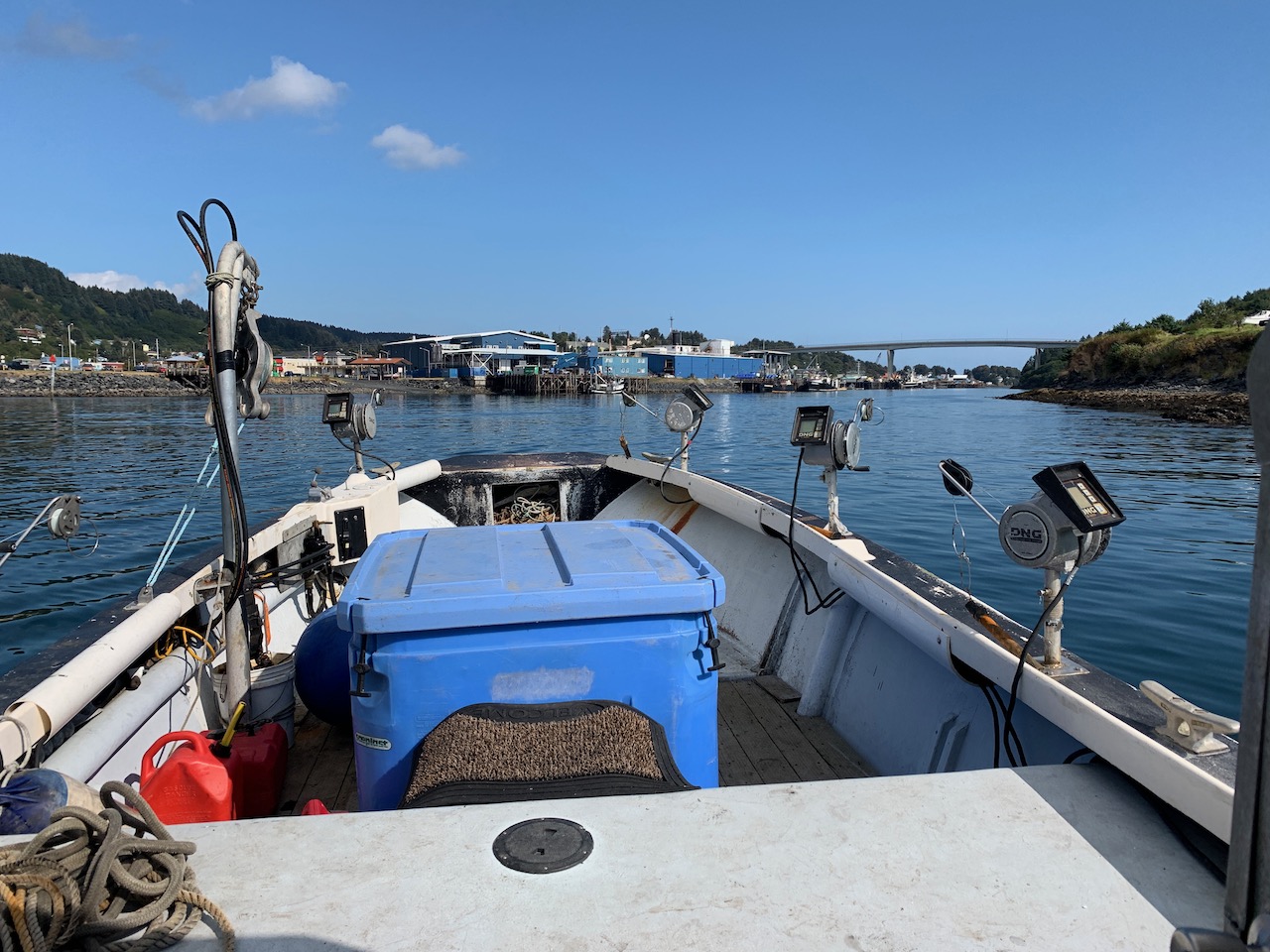
Catch Shares and the Small-Boat Fisherman: A Complex Bargain
Quota systems promised sustainable fisheries. For independent harvesters, the reality has been more complicated.
2026-03-18 · 4 min read
In theory, catch shares were a conservation triumph. By assigning individual fishermen a fixed percentage of a scientifically determined total allowable catch — what the National Oceanic and Atmospheric Administration calls Individual Fishing Quotas (IFQs) or Individual Transferable Quotas (ITQs) — managers gave the industry a tool to end the race-to-fish dynamic that had hollowed out groundfish stocks from the Bering Sea to the Gulf of Alaska. No more derby fishing. No more February openings that lasted 36 hours before a fleet-wide limit was hit. Fishermen could plan. Processors could plan. The fish, in theory, got a fighting chance.
The theory has largely held. Halibut bycatch rates dropped. Sablefish stocks stabilized. The North Pacific groundfish fisheries are among the best-managed in the world by most standard metrics. If you are evaluating catch shares purely as a biological tool, the record is defensible.
But fisheries are not purely biological systems. They are communities. They are economies built over generations around the rhythms of specific ports — Kodiak, Homer, Sand Point, Cordova. And when NOAA implemented the IFQ program for halibut and sablefish in 1995, it did not just rearrange the way fish were caught. It rearranged who could afford to catch them.
The Consolidation Problem
Quota shares are property. They can be bought, leased, and sold. In the years following implementation, this meant that fishermen who had capital — or who could access it — could accumulate quota beyond their original allocation. Fishermen who could not, or who hit hard seasons early, often had no choice but to lease their quota back to larger operations, or sell it outright and exit the fishery.
The Alaska Marine Conservation Council (AMCC), a Kodiak-based advocacy organization that has spent decades working at the intersection of fisheries policy and community economic health, has documented this consolidation with some precision. In the halibut IFQ fishery, a substantial share of quota is now owned by parties who do not fish it themselves — absentee quota holders leasing to working fishermen who pay a percentage of their catch value for the right to fish at all. The AMCC's position is not that catch shares were wrong in principle, but that the policy was designed without adequate safeguards for the communities most dependent on access to the resource.
For the small-boat fisherman operating a 32-foot vessel out of Kodiak, leasing costs can consume 30 to 40 percent of gross revenue before fuel, gear, and crew are accounted for. The margin for error narrows to nothing. Young fishermen entering the industry face quota prices that can run into the hundreds of thousands of dollars per unit — a barrier to entry that effectively forecloses independent ownership for most of them.
What This Means for Traceability
The relationship between catch share consolidation and seafood traceability is not incidental. Supply chain transparency depends on identifiable, accountable harvesters. When quota is aggregated through lease arrangements and the vessel on the water is two or three economic relationships removed from the quota owner, the chain of custody becomes harder to document and audit. FSMA 204 requirements and GDST traceability standards both assume a coherent link between the point of harvest and the first point of sale. That link is cleaner when the harvester is also the quota holder.
There is also a quality dimension. Independent fishermen with long-term stakes in specific fishing grounds have incentives to handle fish well and maintain buyer relationships. Leasehold economics can erode those incentives when margins are thin and the quota itself — not the fish — is the primary asset.
Community-Based Alternatives
The Sitka Salmon Shares model represents one response to these structural pressures. Founded in Sitka, Alaska, Sitka Salmon Shares operates as a community-supported fishery (CSF) that connects independent Southeast Alaska harvesters directly with subscribers in the lower 48. The model circumvents the commodity market's tendency to erase harvester identity, creates price premiums that make small-boat fishing economically viable, and builds traceability into the commercial relationship from the start — the subscriber knows which vessel caught the fish.
This is not a wholesale solution to quota consolidation. But it demonstrates that the economics of small-boat fishing can be restructured around transparency and direct accountability rather than scale. For the industry partners and producers thinking about what supply chains look like in the next decade, that demonstration matters.
The AMCC continues to push for policy reforms — quota ownership caps, entry-level quota programs for young Alaskans, community quota entities — that would rebalance access without dismantling the conservation architecture catch shares provide. The conversation is not closed. But it requires participants willing to hold two things in tension: the biological success of quota management and the economic injury it has sometimes imposed on the communities it was meant to protect.
Sustainable fisheries policy that ignores community sustainability is not, in the end, fully sustainable.