Local Catch Network: Rebuilding Direct Relationships Between Fishermen and Consumers
Community Supported Fisheries bring the CSA model to the sea — and they're rewriting the economics of small-boat fishing.
2026-03-18 · 4 min read
The community-supported agriculture model — subscribers pay a farm upfront, receive a seasonal share of the harvest — has reshaped direct food relationships for three decades. You know your farmer. You share the risk. You eat what the season gives you. The model works because it creates a durable economic relationship between producer and consumer that commodity markets structurally cannot provide.
Community Supported Fisheries (CSFs) apply the same logic to the water. A subscriber commits for a season and receives a share of whatever the vessel lands — a commitment that gives the fisherman revenue before he leaves the dock and gives the subscriber a direct line back to the boat that caught their food.
The Local Catch Network is the organizing infrastructure behind this movement in North America. Founded to connect and support independent CSF operations across the country, Local Catch maintains a directory of member programs, facilitates knowledge sharing between fishermen, and advocates for policy environments that make direct-market fishing viable. As of 2024, the network includes dozens of operations serving communities from Maine to Alaska, each built around the same basic premise: the person who catches the fish should be able to look the person who eats it in the eye.
Why Direct Markets Matter for Traceability
The commodity seafood market has a traceability problem that is structural rather than accidental. Fish move through consolidators, processors, importers, and distributors before reaching retail — each step adding economic distance between harvester and consumer and reducing the practical accountability of any single producer. Mislabeling studies consistently find that a significant percentage of seafood sold at retail is misidentified species. The incentives that produce mislabeling — price pressure, opacity, volume-driven margins — are features of the commodity system, not bugs.
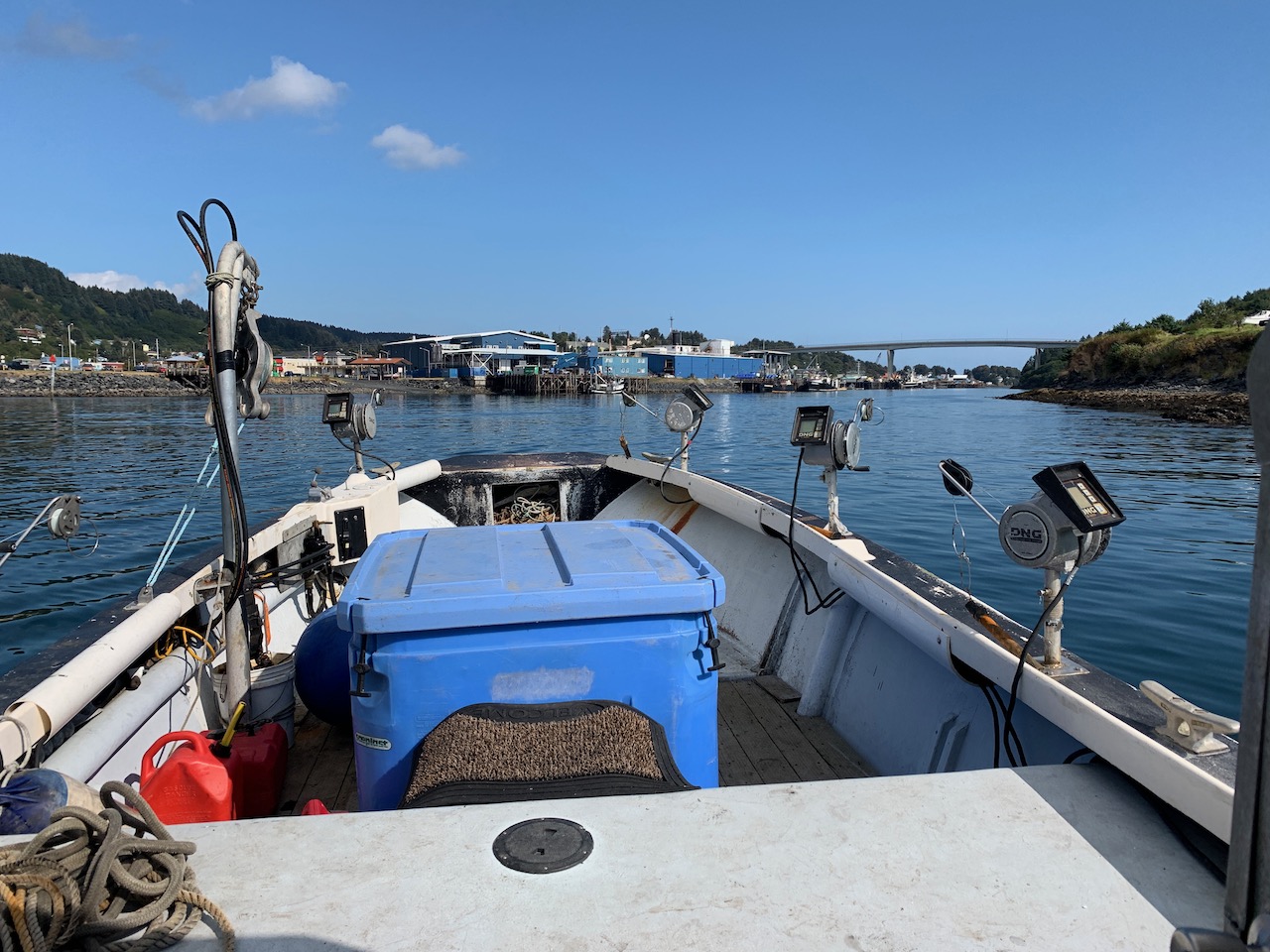
The CSF model does not just add traceability as a compliance feature. It makes traceability inherent to the commercial relationship. When a subscriber in Chicago knows that their halibut came from Capt. Ryan Horwath on the F/V Pacific Cloud out of Kodiak, and that Ryan harvested it on a specific date in a specific location, that accountability is not a QR code on a package. It is the product itself. The traceability is the reason the subscriber chose the program over the supermarket.
Ryan Horwath's experience with Sitka Salmon Shares — the Southeast Alaska-based CSF that has become one of the most recognized direct-market fishing operations in the country — illustrates how this model can scale. Sitka Salmon Shares works with a network of small-boat fishermen in the Sitka Sound area, aggregates their catch under a common quality and traceability standard, and delivers shares to subscribers nationwide. Individual fishermen benefit from Sitka's logistics infrastructure and marketing reach. Subscribers benefit from documented origin and harvest practices. The chain of custody runs from vessel to doorstep with no commodity anonymization in between.
The Challenges of Scale
The CSF model faces real barriers that prevent it from simply displacing commodity channels for the producers who might benefit most from it.
Logistics is the most immediate constraint. Running a subscription fishery requires cold chain management, subscription software, fulfillment operations, and customer service — capabilities that have nothing to do with fishing and that many small-boat operations lack the capital or bandwidth to develop. The Local Catch Network addresses this partly through shared resources and knowledge, but the operational burden remains significant for independent operators entering the direct market for the first time.
Seasonality is a second constraint that the CSF model both acknowledges and struggles with. Seafood is not a year-round product in the way vegetables are, and subscription models that deliver only during the season have lower subscriber retention than those offering year-round delivery. Multi-species programs that can offer different catches across different seasons are better positioned than single-species operations, but multi-species management adds complexity.
And then there is the quota issue. In fisheries managed under catch share programs, small-boat fishermen operating on thin margins may not hold enough quota to support a viable CSF even if they have the market access. The economics of quota leasing can consume the price premium that direct sales generate.
Wholechain and the Scalable Paper Trail
Tools like Wholechain's harvest record platform are beginning to address the documentation burden that direct-market fishing creates. Wholechain provides GDST-compliant electronic harvest records that a fisherman can complete on a mobile device at sea — capturing vessel ID, species, weight, location, date, and gear type in a format that satisfies FSMA 204 critical tracking event requirements and integrates with buyer verification systems.
For a CSF with 200 subscribers asking where their halibut came from, a Wholechain harvest record provides the answer in a format that is both human-readable and machine-verifiable. The documentation that once required paper logbooks and telephone calls can now travel with the fish, digitally, from the moment it leaves the water.
The infrastructure for traceable, direct-market fishing is maturing. The Local Catch Network provides the community and advocacy. Platforms like Wholechain provide the documentation layer. What remains is the harder work of policy and economics: making sure the permits, quota, and market access exist for small-boat fishermen to participate in a supply chain that actually values what they do.
The relationship between a fisherman and a subscriber is among the most traceable supply chains that exist. Rebuilding more of the industry around that relationship is not romanticism. It is good systems design.