Sablefish (Black Cod): The Hidden Gem of Alaskan Waters
Called 'black gold' by Alaskan fishermen, sablefish is one of the most prized and least understood fish in the Pacific. A deep dive into the species, the fishery, and why it deserves more attention.
2025-03 · 5 min read
Sablefish (Black Cod): The Hidden Gem of Alaskan Waters
A Fish by Many Names
The first time I held a sablefish in my hands, I was barely tall enough to see over the gunwale of my father's boat. "Black gold," he called it, his voice carrying a reverence usually reserved for precious metals rather than the sleek, dark-scaled creature that glistened in the weak Alaskan sunlight. Not quite cod despite its common name, not truly black but a deep blue-green in certain light, this fish defied simple categorization—much like the fishermen who pursue it.
Known variously as black cod, butterfish, or by its proper name, sablefish (Anoplopoma fimbria), this remarkable species has been the cornerstone of my family's livelihood for three generations. Yet despite its value to coastal communities stretching from Northern California to the Bering Sea, it remains something of a mystery to many American seafood consumers—a hidden treasure of the North Pacific.
Deep Water, Deep History
My personal history with sablefish began in the waters surrounding [[Sandpoint Alaska]], a once-booming fishing community that, during the height of the salmon rush, boasted more millionaires per capita than any other place in America. Those fortune-seeking days have faded into maritime lore, but the tradition of harvesting the ocean's bounty continues through families like mine who shifted focus to less celebrated but equally valuable species.
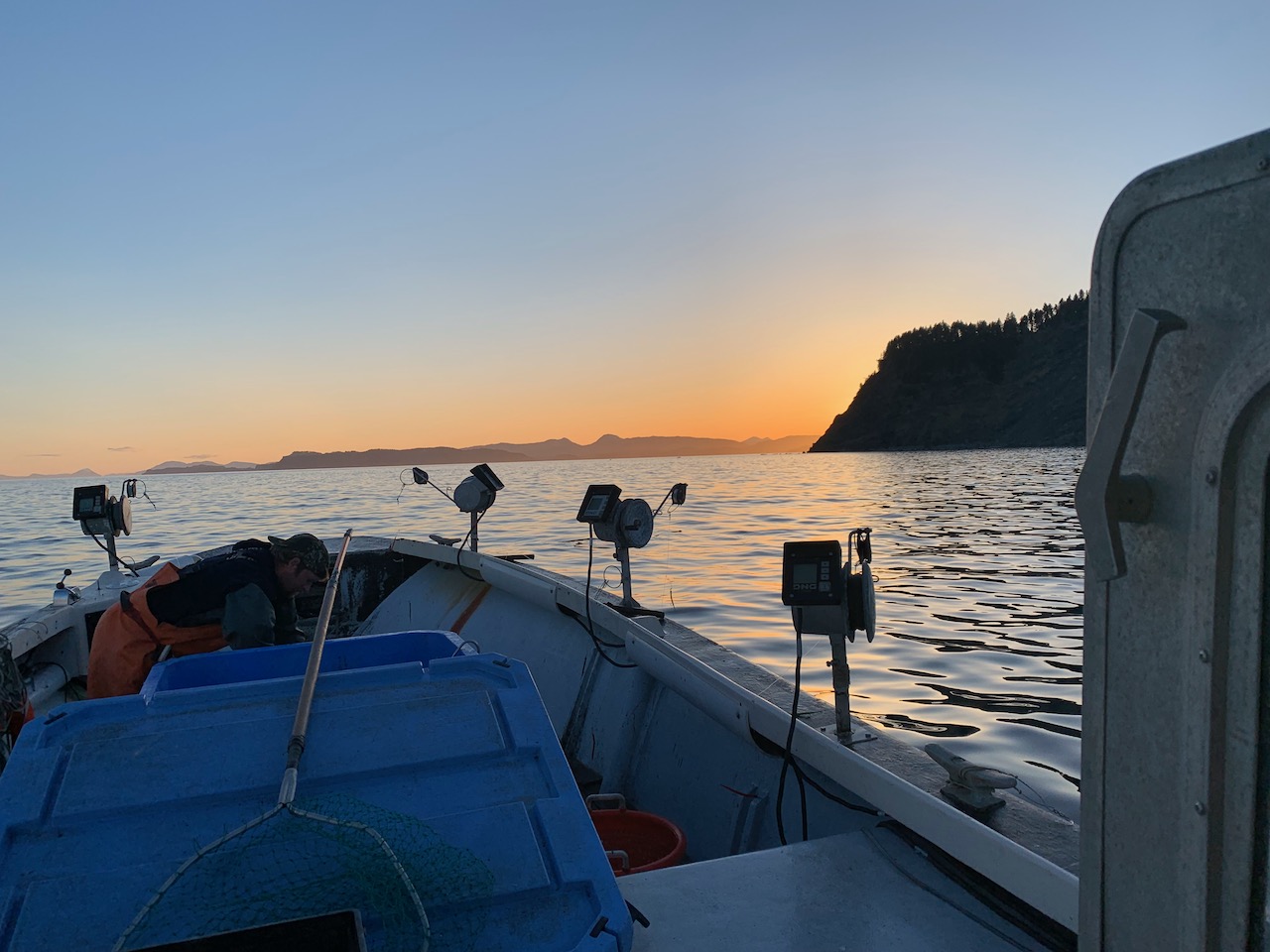
"You're not just learning how to catch fish," my grandfather would tell me during those early mornings on his weathered vessel. "You're learning how to read the ocean, how to respect her rhythms." His calloused hands, mapped with the lines of decades at sea, would guide mine as we worked the longline gear that would bring up sablefish from depths of up to 3,000 feet—creatures adapted to a world of darkness and immense pressure.
Those deep waters shape everything about this remarkable fish. The cold, nutrient-rich environment creates flesh with a fat content rivaling that of salmon, giving sablefish its characteristic buttery texture and rich flavor. That same environment dictates the slow growth pattern that makes sustainable harvest both essential and challenging.
The Science Behind the Delicacy
What makes sablefish truly special extends beyond its culinary qualities. These remarkable creatures can live up to 90 years, dwelling in a twilight zone of the ocean where time itself seems to move differently. Their longevity and late maturation (they typically don't reproduce until age 10) make them particularly vulnerable to overfishing—a reality that has shaped modern management of the fishery.
As a vessel operator in this fishery, I've witnessed the evolution of science-based management firsthand. The quota system implemented in the 1990s transformed the way we fish, ending the dangerous derby-style seasons where boats would race against each other and the elements. Today's approach allows for careful planning, safer operations, and—most importantly—sustainable harvesting that ensures these fish will be available for generations to come.
This management success story represents one of the unsung achievements of North American fisheries policy. While challenges remain—as highlighted in our recent post about [[Wildlife Encounters - When Whales Outsmart Fishermen (Revised)|whale depredation]]—the sablefish fishery demonstrates how traditional ecological knowledge and modern science can work together to protect both marine resources and fishing communities.
A Culinary Marvel
The true magic of sablefish reveals itself in the kitchen. With an oil content that can exceed 20%, this fish offers a luxurious mouthfeel that professional chefs prize and home cooks delight in discovering. Its forgiving nature makes it accessible even to those with limited seafood cooking experience—it's nearly impossible to dry out, even for novice cooks.
My grandmother, who waited on docks for returning fishing vessels throughout the harsh Alaskan seasons, preserved family recipes that showcase sablefish's versatility. Her traditional smoked preparation—a process that takes days but yields transformative results—remains a centerpiece of our family gatherings. Yet the same fish shines equally in contemporary applications: miso-glazed black cod has become a restaurant staple, while simpler preparations like pan-searing allow the fish's natural richness to take center stage.
Beyond its culinary appeal, sablefish offers impressive nutritional benefits. Rich in long-chain omega-3 fatty acids (EPA and DHA), it provides the heart and brain health benefits associated with fatty fish consumption. Its deep-water habitat and diet result in lower mercury levels than many other long-lived predatory species, making it a sustainable choice for regular consumption.
Challenges of a Changing Ocean
As climate change alters marine ecosystems, sablefish face new challenges. Research suggests that ocean acidification—caused by increasing carbon dioxide absorption—may affect larval development. Meanwhile, shifting ocean temperatures could alter distribution patterns and impact recruitment success.
For fishing families like mine, these environmental changes compound existing challenges, from regulatory complexity to market fluctuations. The significant presence of sablefish in Pacific trade relations, particularly with Japan and China, means that international politics and currency fluctuations can impact our livelihoods as surely as weather patterns or fish migration.
Yet despite these challenges, the sablefish fishery remains remarkably resilient. The collaboration between fishermen, scientists, and regulators—though sometimes contentious—has created a management framework that adapts to changing conditions while preserving the essence of this traditional fishery.
From Our Boat to Your Table
At Pacific Cloud Seafoods, our connection to sablefish represents more than commercial interest—it's part of our family heritage and maritime identity. When we deliver this premium fish to markets, restaurants, and individual consumers, we're sharing not just protein but a piece of Alaskan fishing tradition.
The journey from the deep waters near [[Sanak Island]] to your dinner table involves careful handling at every stage. After harvest, the fish are immediately cleaned and iced to preserve their delicate flavor and texture. Unlike species that benefit from aging, sablefish quality depends on minimizing time between harvest and preparation—a principle that guides our processing and distribution practices.
For those fortunate enough to access fresh sablefish, the culinary possibilities are endless. In our next post, we'll share detailed preparation techniques and recipes that highlight this remarkable fish, from traditional approaches to innovative pairings that complement its rich character.
A Sustainable Future
As stewards of this resource, our commitment extends beyond current harvests to ensuring future abundance. The lessons from historical overfishing in other species inform our approach to sablefish: respect for biological limits, engagement with scientific research, and advocacy for management measures that protect both fish and fishing communities.
When you choose sustainably harvested Alaskan sablefish, you're supporting not just environmental responsibility but the continuation of a maritime tradition that connects families like mine to coastal waters stretching back generations. Each fillet carries with it a story of cold waters, careful management, and the dedicated work of those who bring this hidden gem from the depths to your plate.
Interested in trying sablefish for yourself? Stay tuned for our upcoming post featuring preparation tips and favorite recipes.
Have questions about sustainable seafood choices? Drop them in the comments below.
Related Posts:
- [[Wildlife Encounters - When Whales Outsmart Fishermen (Revised)|Wildlife Encounters: When Whales Outsmart Fishermen]]
- Coming Soon: Preparing Perfect Sablefish - From Boat to Plate
Tags: Sablefish, Black Cod, Sustainable Seafood, Alaska Fishing, Seafood Education, Culinary Traditions, Family Business