Wildlife Encounters: When Whales Outsmart Fishermen
Orca pods have learned to follow longliners and strip hooks before the catch comes up. A firsthand account of the intelligence, adaptability, and humbling power of Southeast Alaska's whale populations.
2025-03 · 5 min read
Wildlife Encounters: When Whales Outsmart Fishermen
[Featured Image: Action shot of the F/V Pacific Cloud with Alaska's rugged coastline in the background]
A Dance of Predators
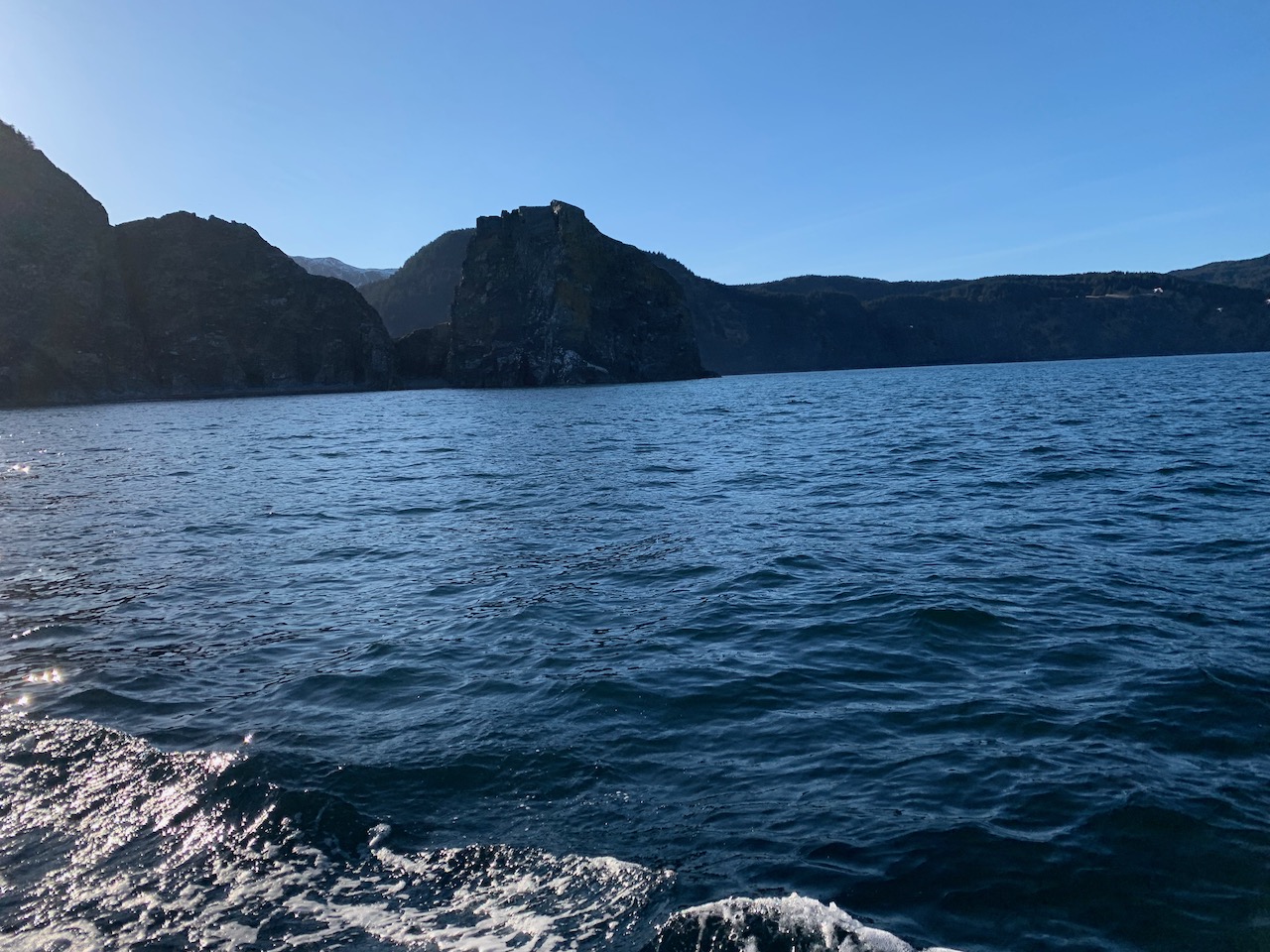
The memory remains as clear as the Alaskan waters on that rare, calm day. Standing on the deck of our fishing vessel near Sanak Island, my weathered hands gripped the rail as I watched a silent, ancient intelligence at work. The sperm whale surfaced first—massive and deliberate—followed by the sleek black dorsal fins of orcas, cutting through the surface like obsidian blades. They weren't fighting or avoiding each other as conventional wisdom might suggest. They were collaborating.
My family has fished these waters for generations, each of us inheriting not just techniques and fishing grounds, but stories that connect us to this place. Yet in all those inherited tales, nothing prepared me for witnessing what marine biologists now confirm: these apex predators have learned to work together to outsmart human fishing operations and share the bounty.
Generations of Adaptation
My journey to that remarkable moment began long before I ever set foot on a commercial fishing vessel. Growing up in the shadow of Alaska's fishing industry, I absorbed the rhythms and wisdom of coastal life through the stories of elders who'd witnessed the evolution of the sablefish fishery. My uncle Steve, who'd fled to [[Kodiak, Ak The King Crab Capital of the world!]] during the Vietnam era, would often speak of "the old days" when the relationship between fishermen and marine life seemed simpler, more predictable.
"The ocean keeps her secrets," he'd say, smoke from his pipe creating ephemeral patterns in the air of our family kitchen. "Just when you think you understand her ways, she shows you something new."
Those words echoed in my mind as I fumbled for my camera that day, desperate to document what was unfolding before us. The sperm whales dove deep—their specialty—likely triggering our carefully set longlines to release their catch. Meanwhile, the orcas patrolled the surface, ready to claim fish that might escape upward. It wasn't random; it was strategy.
[Embedded Video: Your footage of the killer whales and sperm whales interacting near your fishing operation]
The Economics of Adaptation
The science behind what we witnessed represents more than biological curiosity—it reveals the complex economic realities of modern seafood harvesting. According to research highlighted by NPR, whale depredation—the removal of fish from fishing gear by whales—costs the Alaskan fishing industry millions annually. For small, family-operated businesses like ours, these encounters can transform a profitable trip into a financial burden.
When we hauled in our lines that day, the evidence was unmistakable: hooks stripped clean or bearing only fish heads—the mammals taking the protein-rich bodies and leaving the bony remains. Our catch, destined for restaurants and family tables across the country, reduced by nearly a third.
Yet despite the financial implications, I couldn't summon anger toward these magnificent creatures. They were simply adapting to a changed environment—one where humans had altered traditional prey availability and introduced new opportunities. In their innovation, I recognized something familiar: the same resilience that fishing families like mine have shown across changing seasons, regulations, and market conditions.
Reimagining Our Approach
This dance between human ingenuity and wildlife adaptation has reshaped how we harvest [[Sablefish (Black Cod): The Hidden Gem of Alaskan Waters|sablefish]]. The National Marine Fisheries Service now permits pot gear in areas previously restricted to longline only—a direct response to growing whale depredation. At Pacific Cloud Seafoods, we've embraced these changes, seeing them not as obstacles but as opportunities to evolve our practices.
"We're not just fishing differently," I explained to my daughter on her first season aboard our vessel last summer. "We're thinking differently about our relationship with these waters and everything that lives in them."
That perspective connects us to the Indigenous wisdom of places like [[Sandpoint Alaska]]—a village that once boasted more millionaires per capita than anywhere else in America during the salmon boom years. Those communities understood that prosperity comes not from fighting natural systems but from finding harmony within them.
The Bigger Picture
When I share this story at industry gatherings, fellow fishermen often nod in recognition. They've seen similar phenomena in their own fishing grounds—evidence of a widespread adaptation occurring across the North Pacific. What began as isolated incidents has become a recognized pattern, one that demands collective response.
This isn't just about protecting our livelihoods or conserving whale populations. It's about acknowledging that we're participants in a complex, adaptive system where our actions ripple outward in ways we're still learning to understand. The same innovative spirit that drives us to perfect our harvesting methods must also guide our conservation efforts.
Legacy and Future
As I pass down fishing knowledge to the next generation, stories like this whale encounter have become essential teaching moments. They remind us that our legacy isn't measured solely in pounds of premium seafood delivered, but in our contribution to a sustainable relationship with the ocean.
When you enjoy the buttery texture of perfectly prepared sablefish, know that its journey to your plate is part of an evolving story—one written jointly by human harvesters and wild creatures, each adapting to the other's presence in a shared marine environment.
The next time we set our gear in those productive waters near Sanak Island, we'll do so with the knowledge that we're not the only ones who have learned and evolved. And in that knowledge lies not frustration, but a profound respect for fellow predators who, like us, are simply trying to sustain themselves in a changing world.
Has wildlife ever outsmarted you in unexpected ways? Share your story in the comments below.
For more information about whale depredation research and sustainable fishing practices, visit the National Marine Fisheries Service.
Related Posts:
- Coming Soon: Sablefish (Black Cod) - The Hidden Gem of Alaskan Waters
- Coming Soon: The Historic Wealth of Sandpoint, Alaska
Tags: Alaska, Sablefish, Black Cod, Sustainability, Wildlife Conservation, Killer Whales, Sperm Whales, Fishing Stories, Family Business